
The best countertop for bakers and home chefs in New Orleans depends on how the kitchen gets used. Granite and soapstone shrug off hot pans straight from the oven, marble’s naturally cool surface keeps butter-based pastry dough workable longer, and quartz or butcher block hold up best against daily knife work and stains. Matching the material to actual cooking habits, not just looks, is what makes a countertop last.
At TurnKey Kitchen Renovations, we work with a lot of home bakers and weekend chefs across New Orleans who cook far more often than the average household. Their countertops take a beating that a typical kitchen never sees, from rolling pins to hot sheet pans.
Choosing the wrong surface means scorch marks, dulled knives, or a workspace that never quite feels ready for a big baking day. The right material, on the other hand, holds up to heat, resists stains, and gives bakers the cool workspace that laminated dough and pastry need.
This guide breaks down how quartz, granite, marble, soapstone, and butcher block perform under real cooking conditions, not just in a showroom. Contact us today to talk through which countertop fits your kitchen and your cooking style.
Why Does Countertop Material Matter for Bakers and Home Chefs?
A countertop is the single hardest-working surface in a kitchen that sees daily baking or big weekend cooking projects. It faces heat, moisture, sharp knives, and constant cleaning in ways a countertop in a lighter-use kitchen never will.
Homeowners who prep bread dough, roll out pastry, or cook large family meals need a surface built for that workload, not just a finish that photographs well. The wrong choice shows wear within a year or two.
That’s why material selection deserves the same attention as kitchen cabinets and appliance placement. A surface matched to actual habits saves money and frustration down the road.
Which Countertops Handle High Heat From Pots and Pans?
Heat resistance matters most for home cooks who move hot pans straight from stove to counter, since some materials handle that habit without a second thought while others need a trivet every time.
Granite’s Natural Heat Tolerance
Granite forms under intense geological heat and pressure, which gives it exceptional resistance to high temperatures in daily use. Homeowners can typically set a hot pan straight from the oven onto granite without scorching or discoloring the surface.
That heat tolerance makes granite a favorite among home cooks who move quickly between stovetop and counter during a busy baking session.
Soapstone’s Heat and Moisture Resistance
Soapstone handles heat and moisture just as confidently as granite, without needing any sealing or special coating. Homeowners can set hot cookware directly on the surface, and steam from simmering pots won’t damage or stain it.
That combination makes soapstone a practical option for cooks who run their stovetop hard during holiday baking or big-batch meal prep.
Quartz’s Heat Sensitivity
Quartz is an engineered stone bound with resin, and that resin is the material’s weak point around heat. Manufacturers generally recommend keeping quartz below roughly 150 degrees Fahrenheit, since higher heat can discolor or damage the surface.
Bakers who pull hot sheet pans straight from the oven need a trivet or cooling rack on a quartz counter, unlike granite or soapstone.
A few habits keep any countertop safer around heat:
- Set a trivet or cooling rack under bakeware pulled straight from the oven
- Let cast iron cool slightly before it touches quartz or butcher block
- Keep granite and soapstone as the go-to landing spot for the hottest pans
- Wipe up spills quickly to avoid staining softer surfaces
What Makes Marble the Top Choice for Pastry and Dough Work?
Marble earns its reputation with bakers for one reason: it naturally runs cooler than almost any other kitchen surface, which makes a real difference for anyone working with butter-based dough.
Why Marble Runs Naturally Cool
Marble conducts heat efficiently compared to wood or laminate, which means it pulls warmth away from whatever sits on top of it. As dough or butter warms slightly during kneading or rolling, that heat transfers into the stone instead of staying trapped in the ingredients.
The result is a surface that typically stays several degrees cooler than the surrounding room, holding that chill longer than laminate, quartz, or wood. That gap is what pastry chefs have relied on for generations of dough work.
How Bakers Use Marble’s Chill
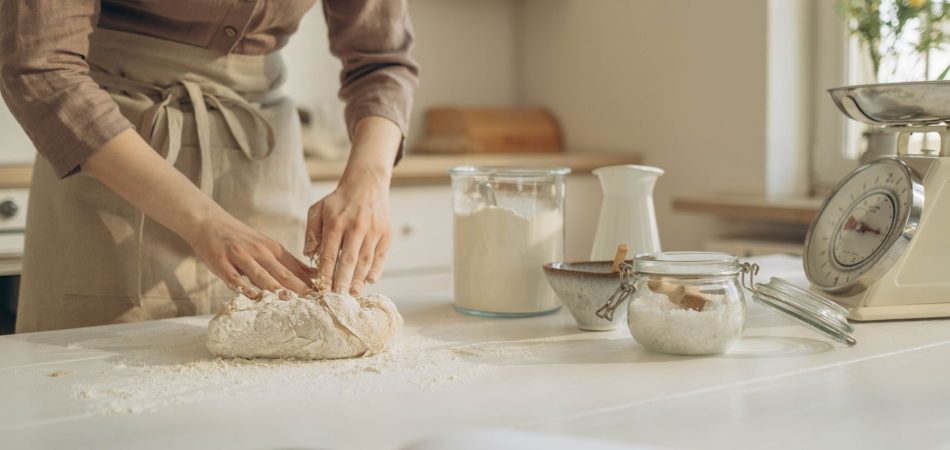
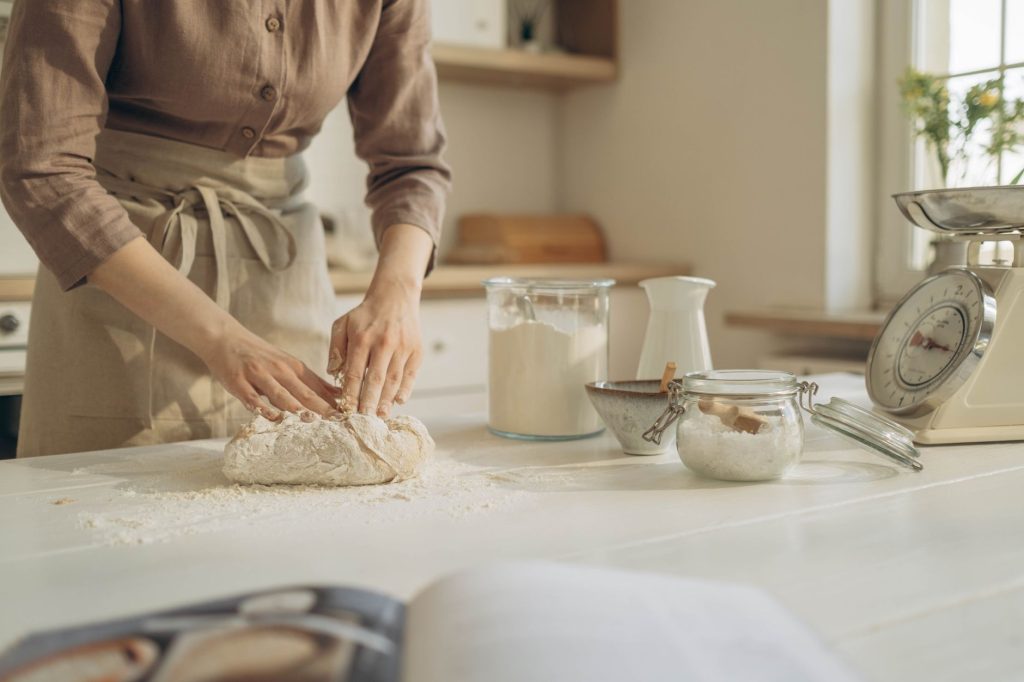
That cooler surface keeps butter firm enough to laminate properly, which is why marble slabs remain a staple in serious pastry kitchens. Dough worked on marble is less likely to turn greasy or stick, since the butter never fully softens the way it would on a warmer counter.
For home bakers who make croissants, pie crust, or laminated pastry regularly, this is where material choices start to matter beyond looks. Our kitchen design consultations walk through exactly this kind of trade-off before any demolition begins.
Marble’s Limits and Care Needs
Marble only helps as long as it stays cooler than the dough sitting on it, so the effect fades once the stone warms to room temperature. Many bakers chill a marble slab in the refrigerator or freezer before a big pastry project to extend that advantage.
Outside of pastry work, marble is also softer and more porous than granite or quartz, so it needs more care around acidic ingredients and staining.
How Do These Materials Hold Up to Scratches, Stains, and Daily Wear?
Heavy meal prep and frequent baking put constant pressure on a countertop’s surface, from knife nicks to flour and berry stains, and some materials shrug that off far better than others.
Quartz’s Scratch and Stain Resistance
Quartz is engineered to be non-porous, which makes it highly resistant to staining from flour, fruit juice, or food coloring during baking projects. The crushed quartz crystals bound in resin also create a surface that resists everyday scratches better than most natural stone.
The one caution is the resin itself, which a sharp knife can nick, so a cutting board is still worth using.
Granite’s Everyday Durability
Granite ranks around a 7 on the Mohs hardness scale, which means very few kitchen tools or ingredients can scratch it under normal use. It also resists staining reasonably well once properly sealed, standing up to the flour, oil, and acidic ingredients that come with regular baking.
Repeated direct cutting on the surface can still dull knives and leave faint marks over time, so most cooks keep a cutting board handy anyway.
Butcher Block’s Cut-and-Care Routine
An oiled butcher block is the rare countertop that’s safe to chop and slice on directly, which many home cooks appreciate for everyday prep. That same wood surface needs monthly conditioning with food-grade mineral oil to resist staining and cracking from moisture.
A countertop remodel that includes a butcher block section works best when homeowners are ready for that regular upkeep.
Soapstone’s Softness and Patina
Soapstone resists stains and heat without any sealing, which makes it low-maintenance in ways granite and marble aren’t. It’s a softer stone, though, so it can scratch or dent more easily than quartz or granite.
Soapstone also develops a patina over years of use, and many homeowners apply mineral oil periodically to even out that look.
A quick daily-care checklist covers most of these materials:
- Wipe up spills fast, especially acidic ones like lemon juice or tomato sauce
- Use a cutting board on quartz, granite, and soapstone to protect knives and the surface
- Oil butcher block roughly once a month with food-grade mineral oil
- Reseal granite periodically per the fabricator’s recommendation
Choosing the Right Countertop for Your Kitchen’s Cooking Style
The right countertop comes down to matching material to how a kitchen actually gets used, not just how it looks in a showroom. Bakers who prioritize a cool workspace often lean toward marble, while high-volume cooks may prefer granite or quartz for daily durability.
At TurnKey Kitchen Renovations, we help New Orleans homeowners weigh these trade-offs against budget, style, and how they cook day to day. Call us today to schedule a countertop consultation and find the material that fits your kitchen.
Frequently Asked Questions
What is the best countertop material for a home baker?
The best countertop for a home baker is usually marble, since its naturally cool surface keeps butter-based pastry dough workable longer than granite, quartz, or wood. Bakers who also do heavy everyday cooking often pair marble in one zone with a more durable material elsewhere.
Is granite or quartz better for a kitchen island?
Granite handles heat better, making it the stronger choice near a range or a baking-heavy prep zone. Quartz offers more consistent scratch and stain resistance with less maintenance, which suits islands used mainly for everyday food prep, and some homeowners combine both across different zones of the same kitchen.
Can you put a hot pan directly on a quartz countertop?
Placing a hot pan directly on quartz isn’t recommended, since the resin that binds the stone can discolor or warp above roughly 150 degrees Fahrenheit. A trivet or cooling rack protects the surface and prevents permanent heat marks near the stove or oven.
Why do bakers prefer marble countertops?
Bakers prefer marble because it conducts heat efficiently and stays several degrees cooler than the surrounding kitchen, which keeps butter firm during pastry work. That cool surface helps dough laminate properly instead of turning greasy, a difference pastry chefs have relied on for generations.
Are butcher block countertops good for cooking?
Butcher block works well for cooking, especially when it’s oiled rather than varnished, since an oiled surface can be cut on directly without a board. It does need monthly mineral-oil conditioning and a trivet under hot cookware, since wood isn’t naturally heat resistant.
Is soapstone a good kitchen countertop material?
Soapstone is a strong choice for kitchens that see heavy stovetop use, since it resists heat, stains, and moisture without any sealing. It’s a softer stone that can scratch or dent over time, though most homeowners consider the low-maintenance trade-off worth it.
How do you keep a kitchen countertop from scratching?
Using a cutting board for all chopping and slicing is the single biggest step toward protecting any countertop from scratches. Wiping up acidic spills quickly and avoiding abrasive cleaners also helps preserve the surface, whether it’s quartz, granite, soapstone, or butcher block.
What countertop material is easiest to maintain in a busy kitchen?
Quartz is typically the easiest to maintain in a busy kitchen, since it’s non-porous and never needs sealing or oiling the way natural stone or wood eventually does. That low upkeep makes it a popular pick for homeowners juggling frequent baking, family meals, and everyday cleanup.