



Countertop Remodel in New Orleans, LA
Replacing a worn surface changes the whole room for a fraction of a full renovation. We measure, fabricate and fit it, and tell you what each material asks of you afterwards.
Which Countertop Material Suits Your Kitchen?
Each surface behaves differently in use. These are the trade offs we go through with you before anything is ordered.
The Hard Wearing Choice
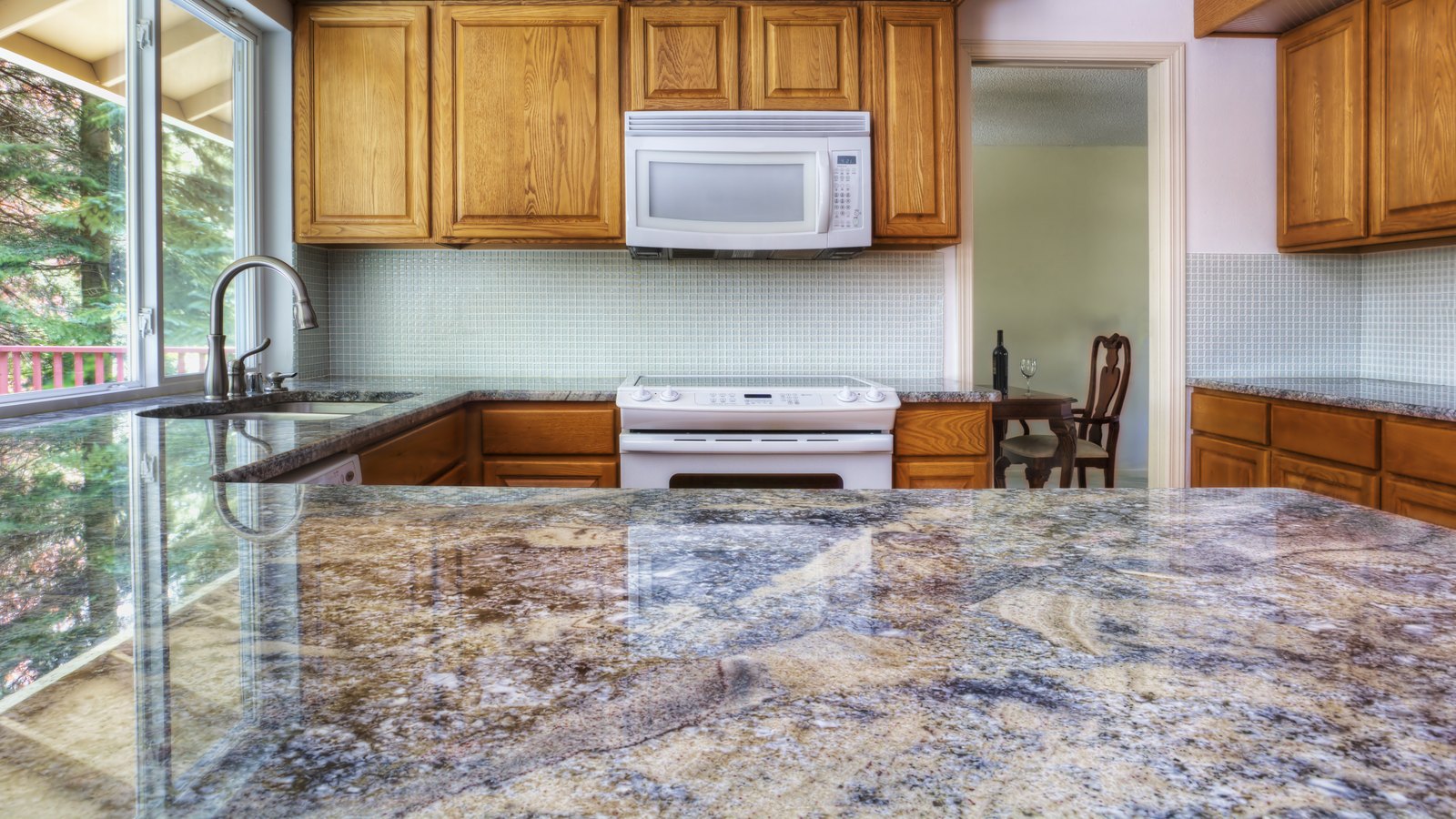
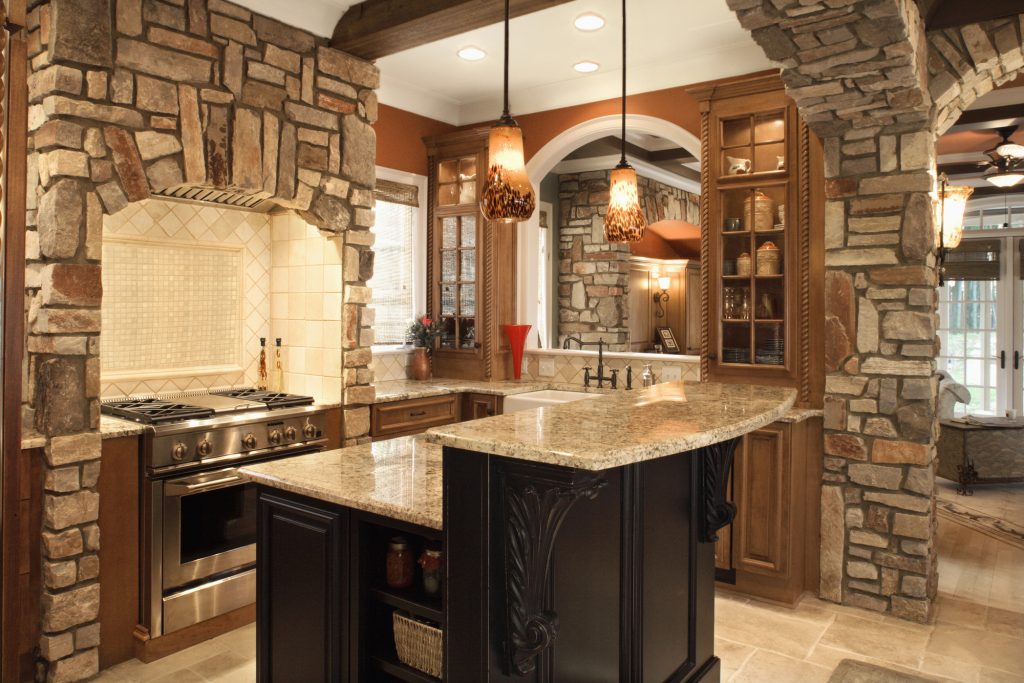
Granite resists scratches and heat, which is what makes it the usual answer for a kitchen that gets heavy daily use. It does need sealing and regular cleaning to keep both the look and the surface itself in good order.

Low Maintenance, Wide Range
Quartz is non porous, so it never needs sealing, and it comes in a broad color palette that suits most design styles. That combination of durability and low upkeep is why it gets recommended so often.

Elegant, and Honest About the Upkeep
Marble is undeniably elegant and it is also prone to stains and scratches, so it asks for more frequent attention than the stones around it. Its initial price comes with ongoing maintenance, which makes it less cost effective over a long run.

Warmth You Can Feel
Timber brings a warmth to a kitchen that stone does not, and it can be sanded and re-oiled rather than replaced. It asks to be kept dry and treated, which suits some households and not others.
When the Budget Sets the Shortlist
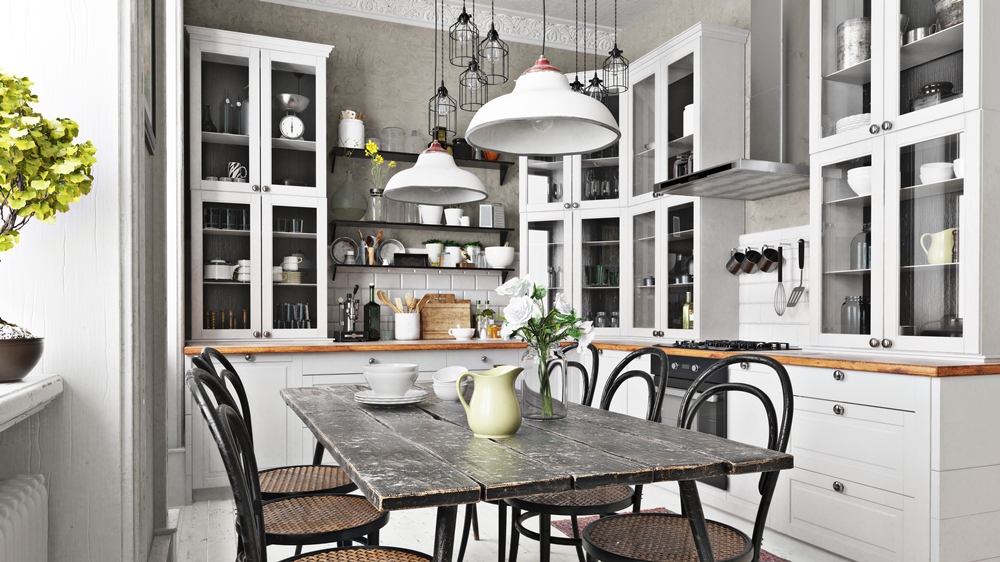
Laminate gives a wide range of styles at a budget friendly cost with decent durability, although it handles heat less well than stone and may not last as long. Tile is another budget option and brings customization with it.
What Do New Orleans Kitchens Ask of a Countertop?
Three things about kitchens here affect the choice and the fit.
- Humidity
Porous Stone Needs a Plan
Keeping a surface dry is what keeps destructive elements such as mold away from it, and regular sealing is what keeps a porous stone sealed. In this climate that is a maintenance conversation, not a footnote.
- Older Cabinets
Level Is Rarely Level
A new slab lands on the cabinets you already have, and in an older house those are seldom true. Packing and scribing them back into line is part of a proper fit.
- Tight Rooms
Short Runs and Awkward Corners
Small kitchens give a fabricator less room to hide a seam and less tolerance at the corners. That is a reason to template carefully rather than a reason to accept a compromise.
What Details Decide How a Countertop Wears?
Three details separate a surface that still looks right in five years from one that does not.

-
Edge Profiles
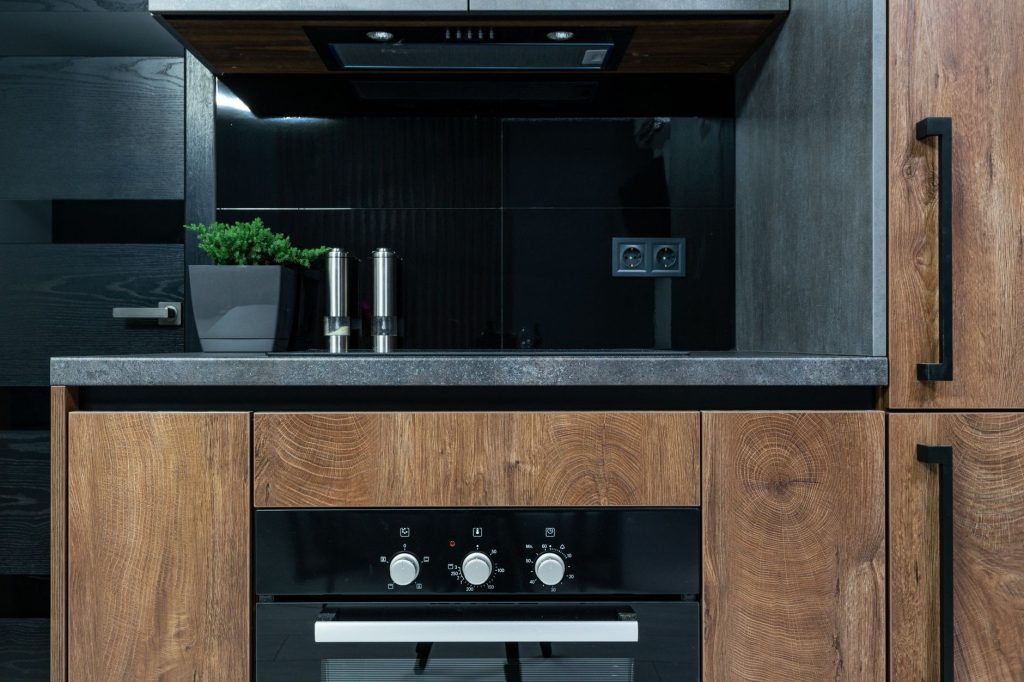
The profile changes how heavy the slab reads and how it feels to lean against. It also changes how easily the edge chips, which matters more in a busy kitchen than in a showroom.
-
Sealing and Upkeep
Regular sealing and cleaning preserve both the appearance and the quality of a stone countertop. Quartz skips the sealing entirely, which is a genuine reason to choose it.
-
The Backsplash Join
Where the surface meets the wall is where water gets in if the join is wrong. Backsplashes protect the wall and add visual interest, so the join is designed rather than improvised.
Where Does a New Countertop Change the Room Most?
Three surfaces do most of the work in a kitchen, and they do not all have to be the same material.
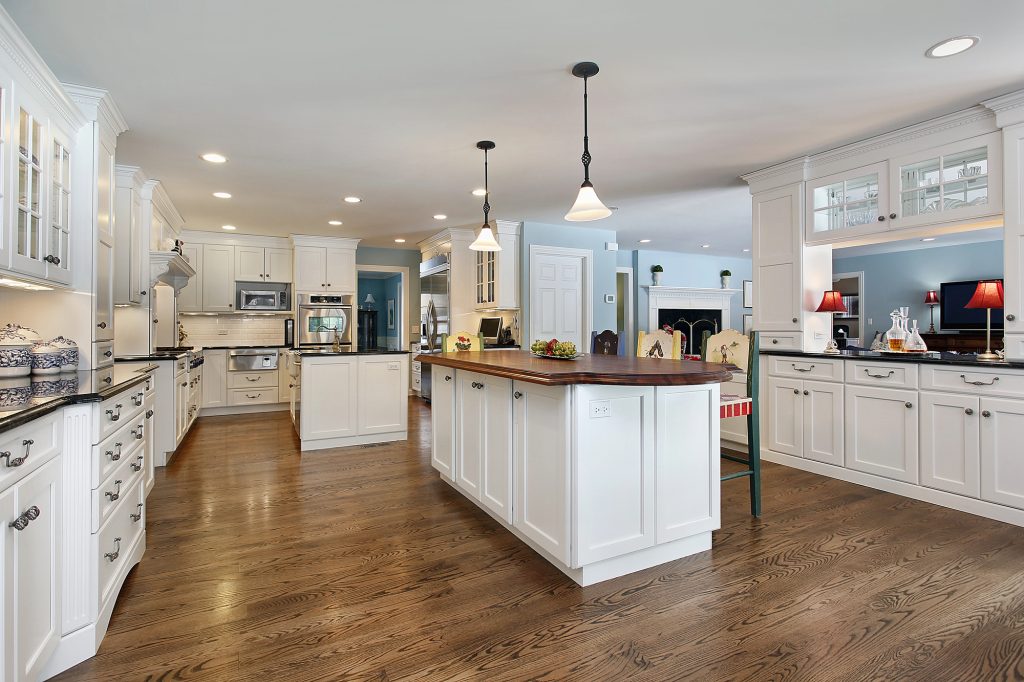
The Surface Everyone Stands At
An island carries meal preparation, serving and casual dining, so it takes the most wear and gets the most attention. It is the one place where spending up on the material usually shows.
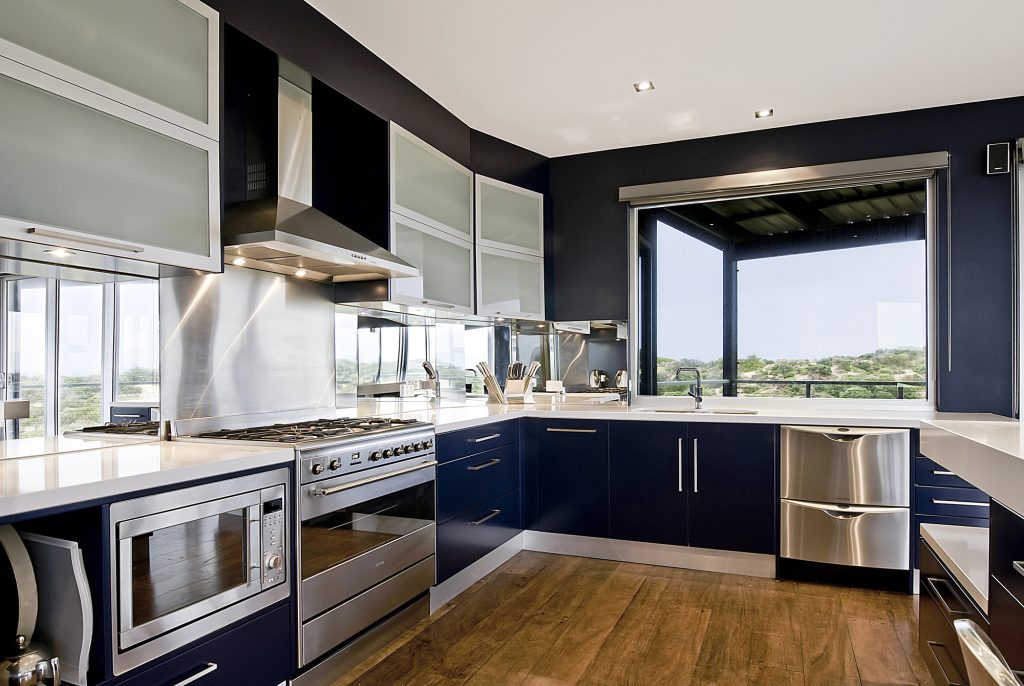
Length, Seams and the Sink
The long run along the wall is where the sink sits and where the seams have to be planned. Getting those two right is most of what separates a good fit from an obvious one.
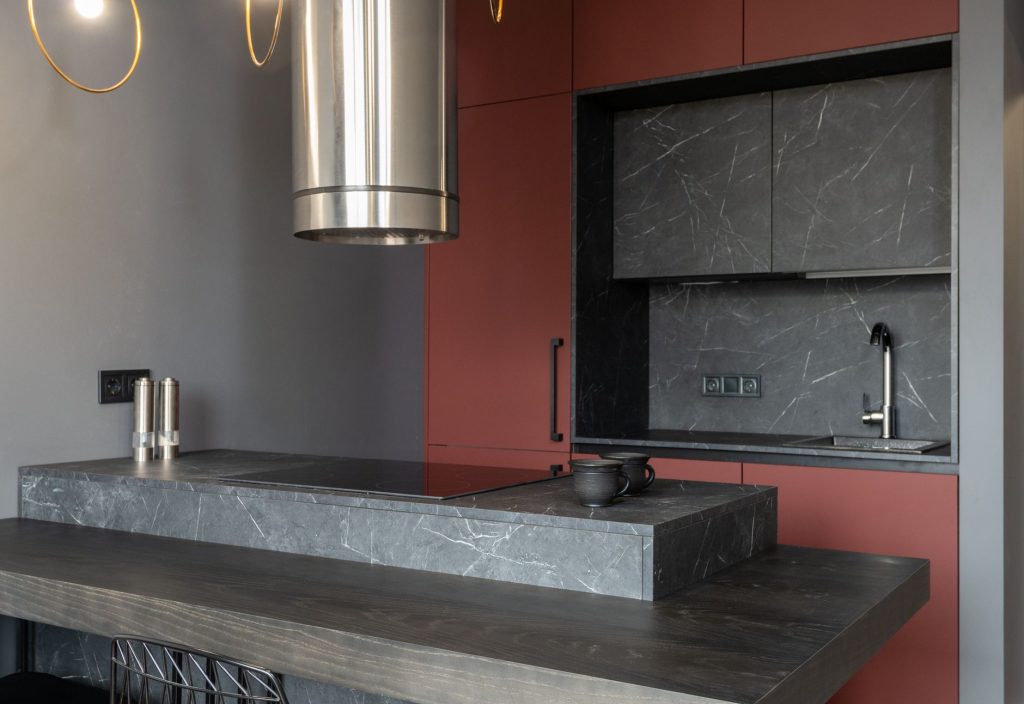
Overhang and Support
A seating overhang needs support underneath it, and how much depends on the material and the span. That is settled at the template stage, not on installation day.
What Do Our Finished New Orleans Kitchens Look Like?
Six rooms on film, one after another. Different budgets, different footprints, the same team on site.
How Does a Countertop Remodel Run?
Three stages, and the first one costs nothing.
- Step One
Template and Select
We measure the room as it stands and go through the materials with samples in front of you. The sink, the edge profile and the backsplash are decided at the same time.
- Step Two
Fabricate
The slab is cut to the template, with the seams placed where they will be least visible. Lead time on fabrication is what usually sets the date for the fit.
- Step Three
Fit and Reconnect
The old surface comes out, the cabinets are levelled, and the new one goes down. The sink and the plumbing are reconnected and the job closes with a final inspection.
What Drives the Cost and the Schedule?
Three things move both, and all three are visible at the estimate rather than halfway through.

-
The Material
Laminate is the cheapest to buy but its shorter lifespan can mean replacing it sooner, and marble carries a high price alongside ongoing maintenance. The balance between the first cost and the long term one is the real number to look at.
-
The Run and the Cutouts
Length, corners, seams and cutouts for sinks and cooktops all add fabrication work. A short straight run and a wrapped island are not the same job even in the same material.
-
What Moves With It
Replacing cabinets and countertops on their own is exempt from permits in Orleans Parish, as long as no plumbing fixtures or fixed equipment are replaced. Move the sink and that changes, and we manage the application as part of the project.
-
“I am extremely satisfied with the countertop remodel. My kitchen now boasts a beautiful and durable countertop that I am proud to show off.”
Raymond Langner
-
“They took my outdated kitchen and turned it into a modern masterpiece. The end result is both functional and stylish.”
Sean Miller