



Kitchen Cabinets in New Orleans, LA
Cabinets organize everything you own and set the look of the room at the same time. Ours are built to a plan that starts with what you keep and where you reach for it.
Do You Need New Cabinets or Better Ones?
Replacing the whole run is not always the answer. Here is what each route actually involves.
Built to the Room, Not to a Catalogue
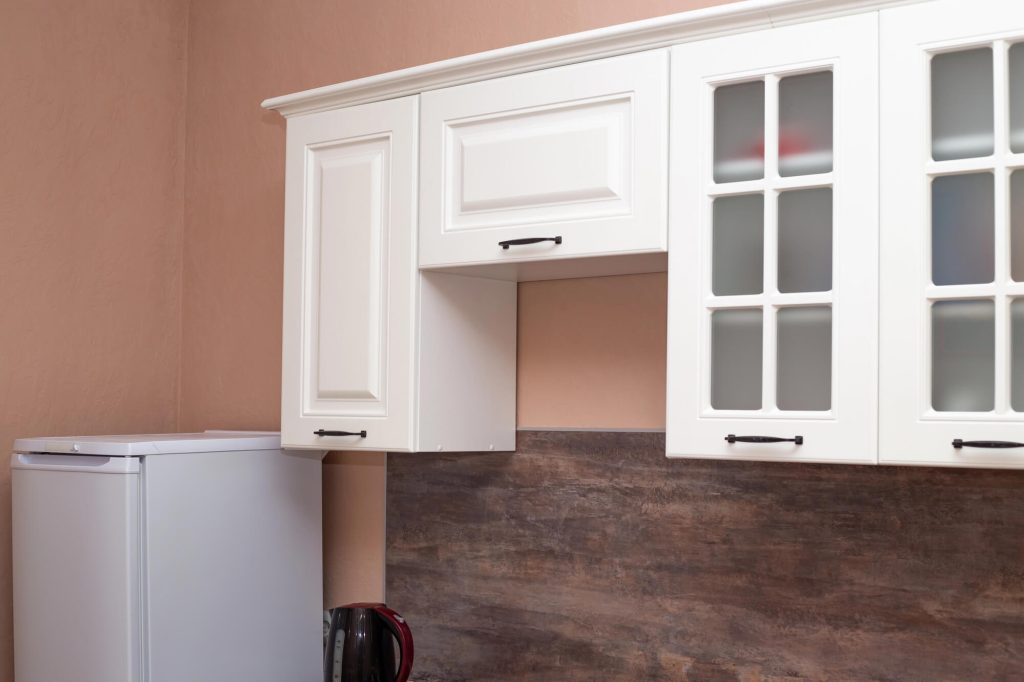
Custom cabinetry is designed around your storage needs, your usage patterns and the style you want. It is the route that suits a kitchen whose layout is changing anyway, or a room where stock sizes leave awkward gaps.
A New Front on Sound Cabinets
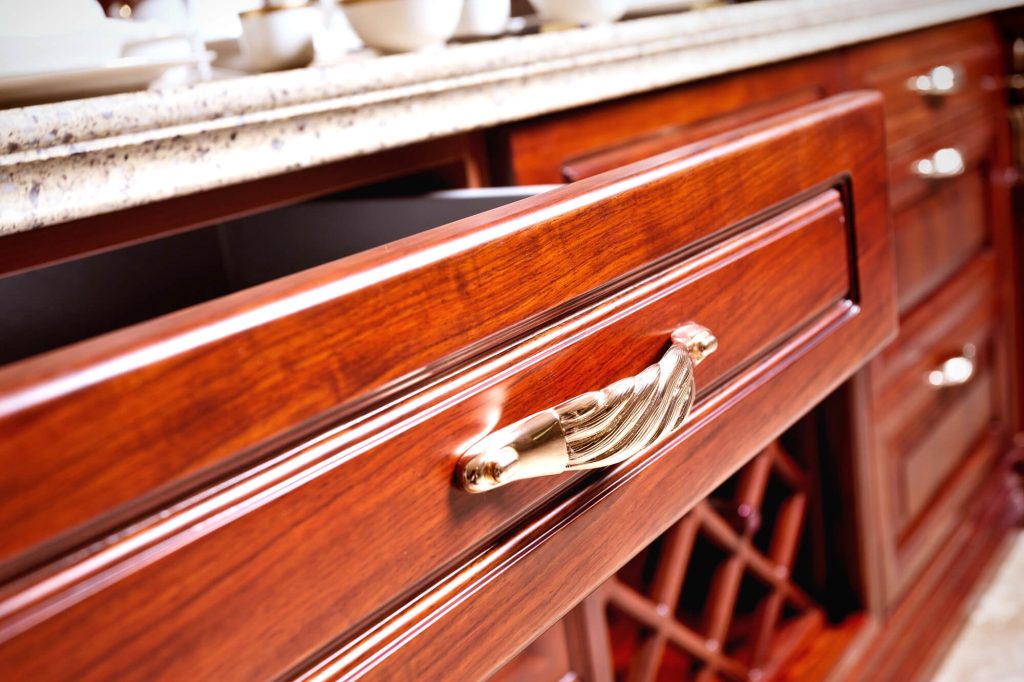
Where the carcasses are still good, new doors, drawer fronts and hardware change the whole look without a full replacement. The cost sits well below new cabinetry and the kitchen is out of use for less time.
Paint, Stain and New Hardware
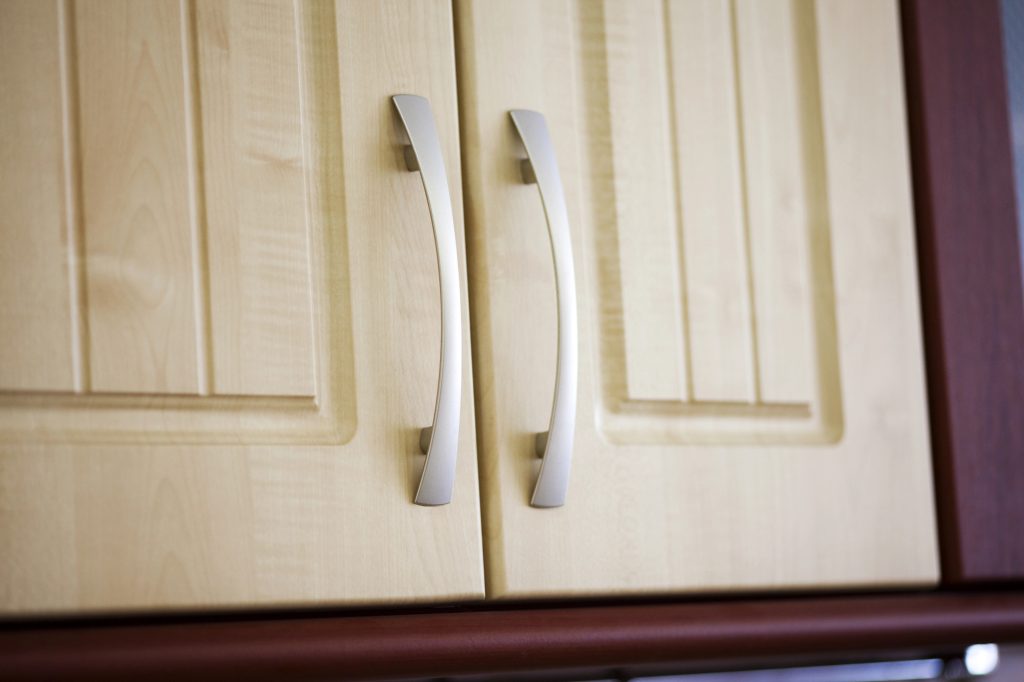
Refinishing keeps the doors you have and changes their color and finish, with trendy hardware to bring the look current. It is the lightest touch of the three and the one that suits a kitchen whose layout already works.

Fewer Things on the Counter
Pull out drawers, drawer organizers and pantry systems are what clear a countertop and keep it clear. We assess what you store before choosing which of them your kitchen gets.

Precision Is the Whole Job
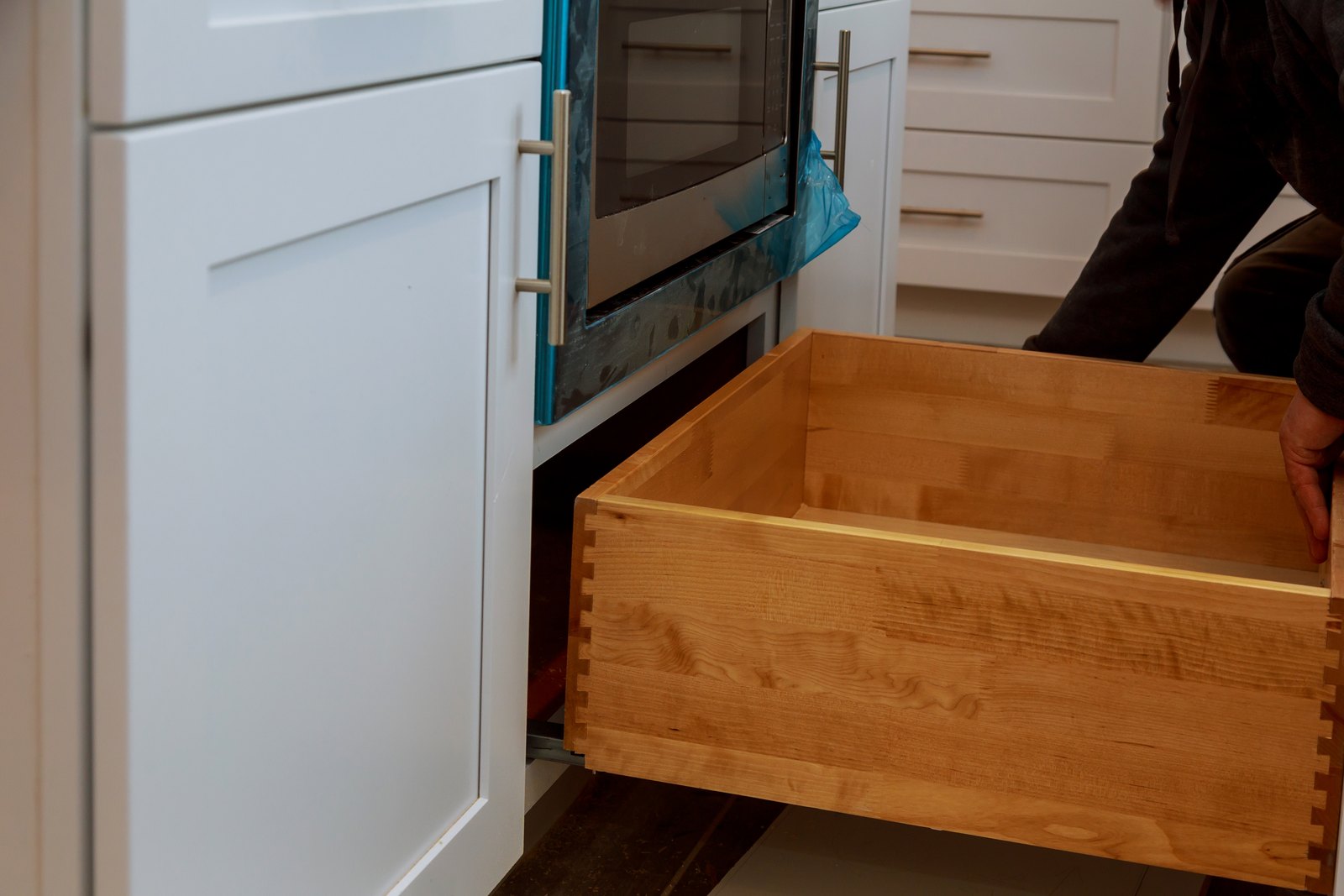
Cabinet installation defines the finished layout, so it takes precision to get right, and well installed cabinets add storage capacity as well as looking the part. Our own team fits them rather than a separate contractor.
What Do New Orleans Homes Ask of Cabinetry?
Three things about houses here decide what we build and what we build it from.
- Humidity
The Real Test Is the Climate
Solid timber, plywood, particleboard and MDF do not all behave the same way in a humid room, and neither do painted and natural finishes. The material is chosen for the conditions before it is chosen for the look.
- Older Walls
Nothing Here Is Square
Runs of cabinetry meeting an older wall rarely meet it cleanly, which is one of the honest arguments for custom over stock. Scribing and filling are part of the work, not an extra.
- Small Footprints
Height Is the Space You Have Left
When the floor area cannot grow, the wall can. Taking cabinetry up rather than out is often the only storage a shotgun kitchen has left to give.
Which Cabinet Materials and Finishes Last Here?
Three choices decide how the cabinets look on day one and how they look in ten years.
-
Carcass and Fronts
Cabinets can be built from solid wood, plywood, particleboard or MDF, and each carries a different cost. Higher quality materials cost more up front and generally last longer, which is the trade off to weigh rather than the rule to follow.
-
Painted, Stained or Laminate
Painted finishes give you the widest color field, stain keeps the grain visible, and laminate is the hard wearing budget option. Each ages differently, so the finish is chosen against how the kitchen is used.
-
Hinges, Runners and Handles
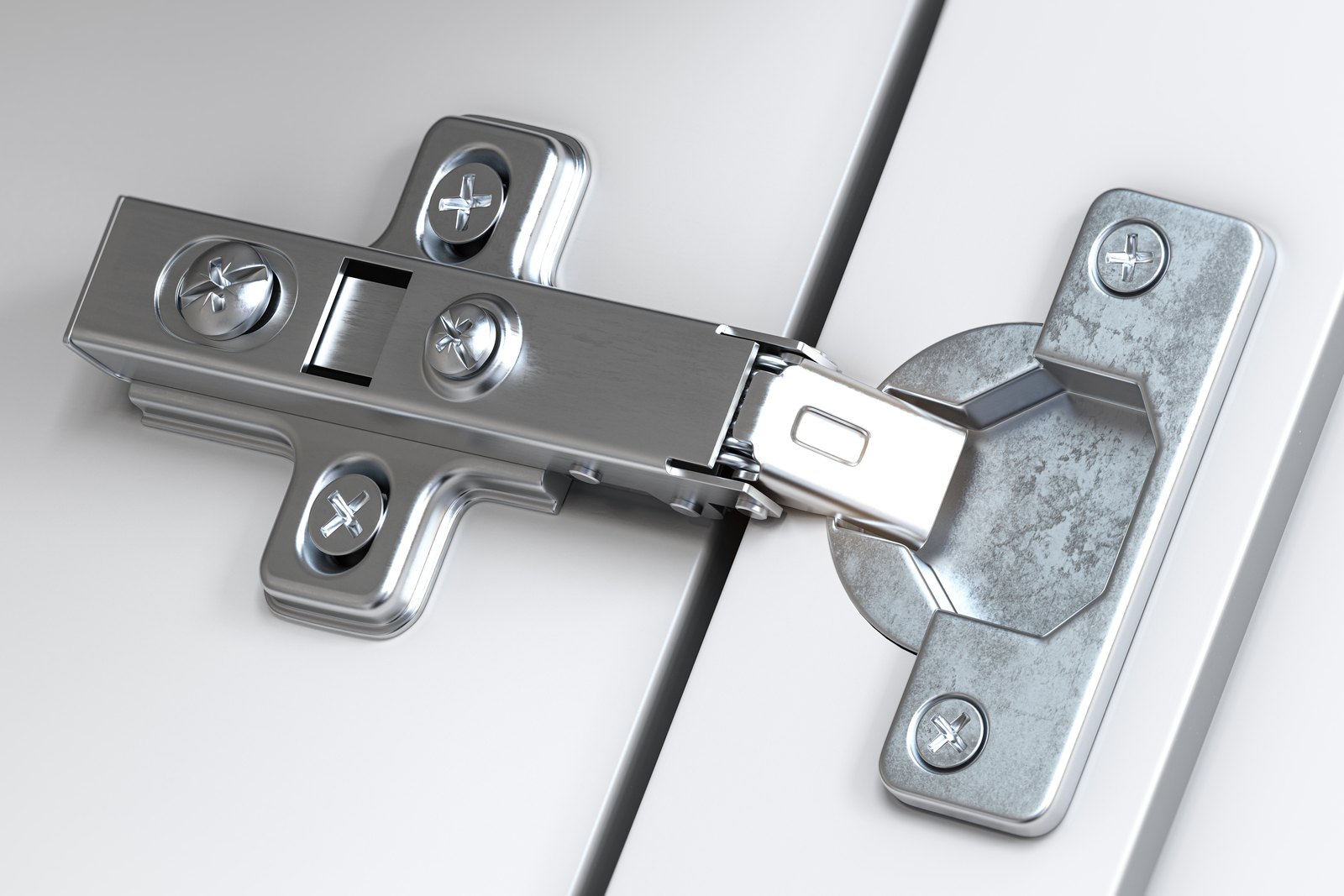
Hardware is the part of a cabinet that moves, which makes it the part that fails first. Soft close hinges and good drawer runners are worth the money in a kitchen that gets opened forty times a day.
Which Cabinet Style Suits Your Kitchen?
Most kitchens land on one of three door styles. The finish does as much work as the shape.
The Frame That Suits Almost Anything
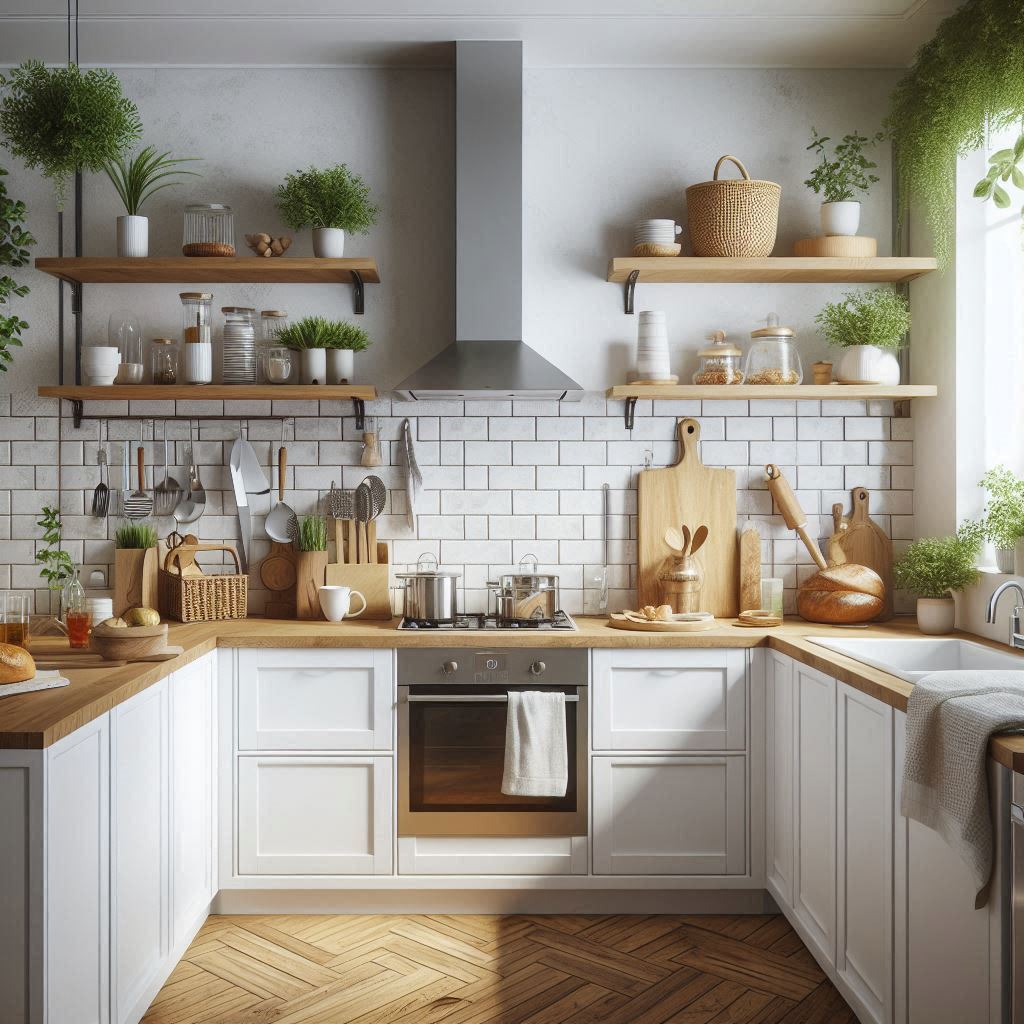
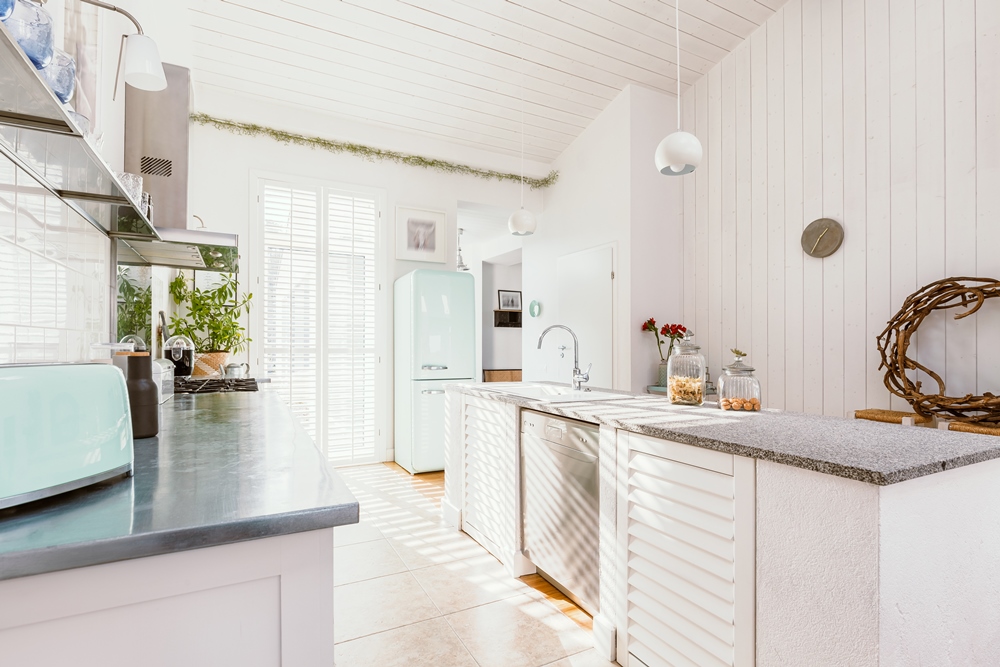
A simple framed door sits comfortably in an older house and in a new one, which is why it dates the slowest. It also takes paint well, so the same doors can be recolored later.
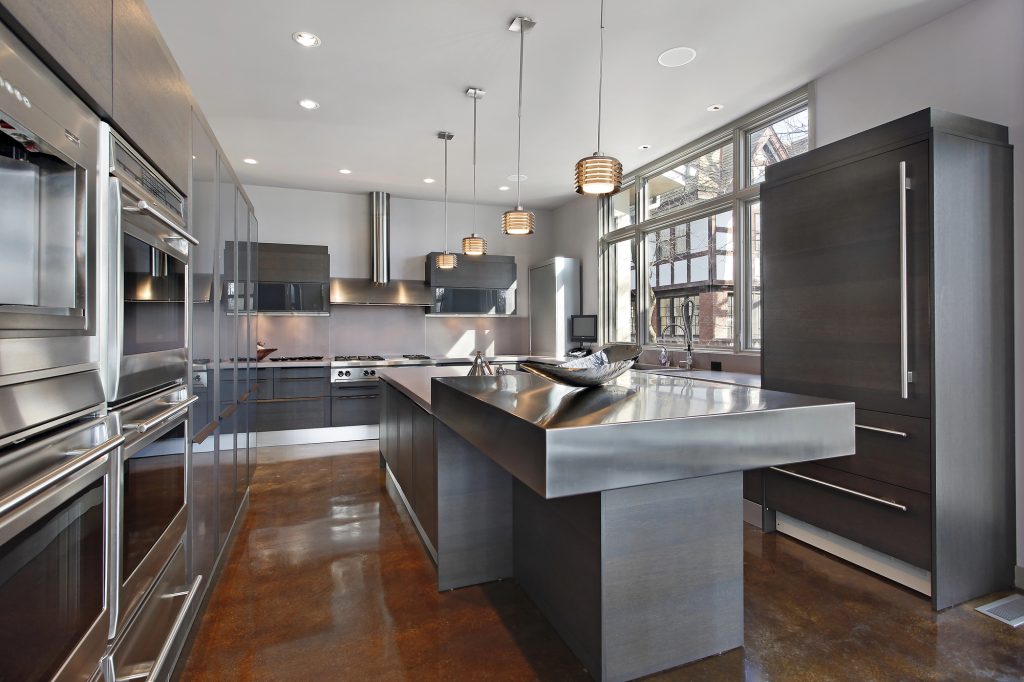
Nothing to Catch the Eye or the Dust
A flat front keeps the run quiet and lets the countertop and the hardware carry the room. It suits a modern scheme and wipes clean in seconds.
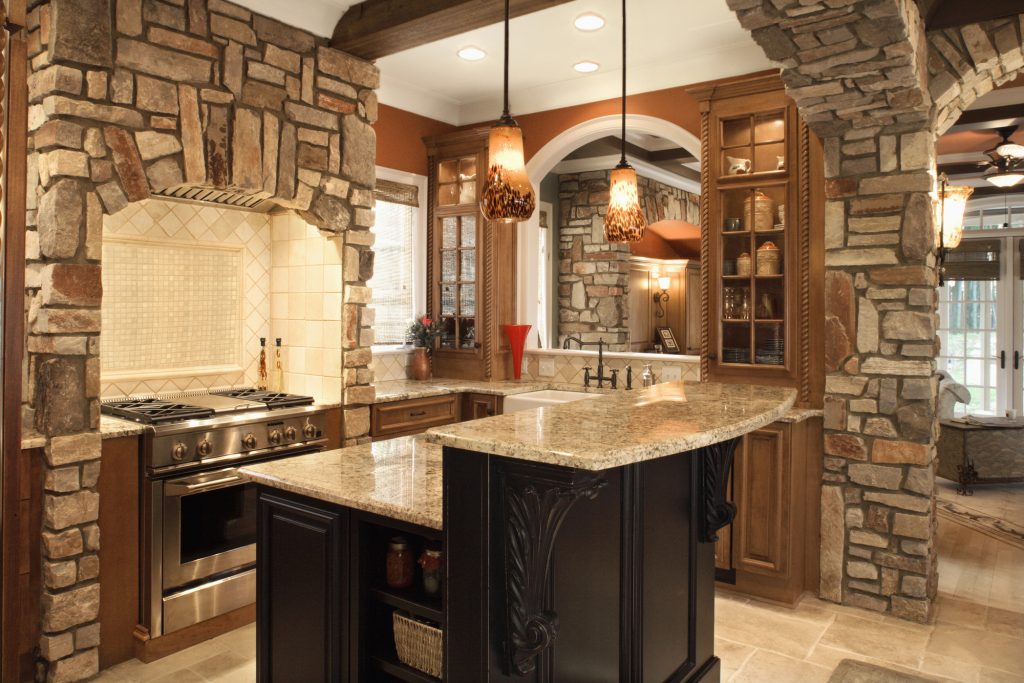
Detail That Earns Its Place
Inset doors and traditional profiles give a kitchen weight, which is what many older houses here already have. They ask more of the installation, because the tolerances are tighter.
What Do Our Finished New Orleans Kitchens Look Like?
Six rooms on film, one after another. Different budgets, different footprints, the same team on site.
How Does a Cabinet Renovation Run?
Three stages, and one project manager across all of them.
- Step One
Measure and Assess
Every kitchen is different, so the project starts with a personal consultation rather than a quote off a price list. We take your vision and your needs, then talk through what is practical in the room you have.
- Step Two
Choose and Order
Materials, finishes, storage and hardware are chosen together against your style and budget. You make the decisions with the trade offs in front of you, and the lead times are set out before anything is ordered.
- Step Three
Fit and Finish
A dedicated project manager runs the installation with clear communication, so the job stays on the agreed timeline and budget. Once it is done, we stay reachable for care questions, adjustments and repairs.
What Drives the Cost and the Schedule?
Three things move both, and all three are visible at the estimate rather than halfway through.
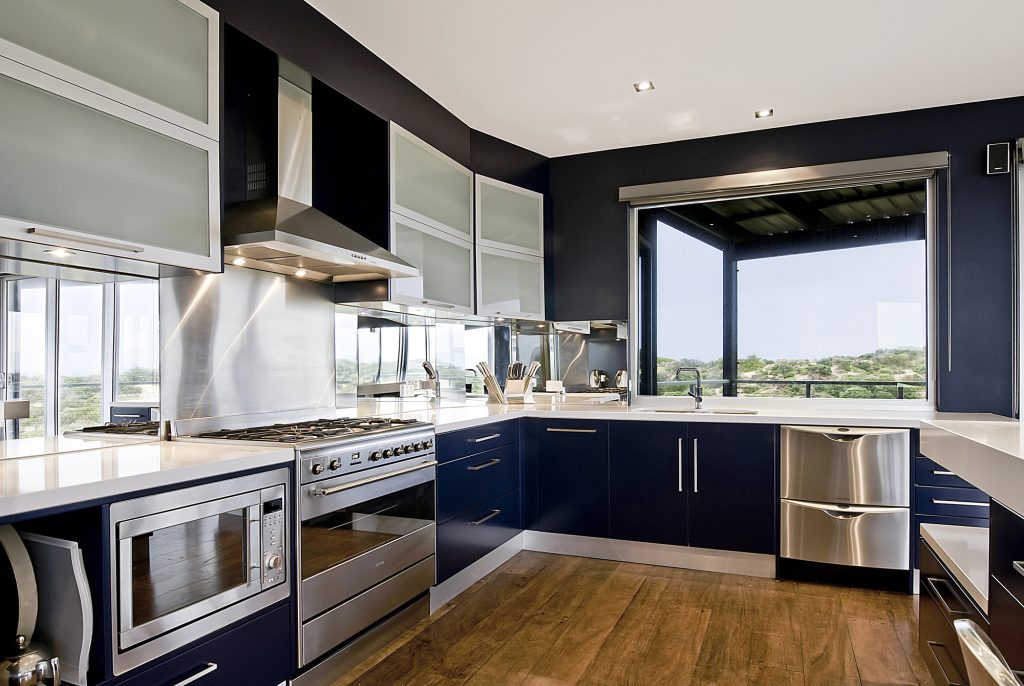

-
How Much Actually Changes
Refinishing the doors you have, refacing them, and replacing the whole run are three very different jobs. The assessment tells you which one the kitchen needs before you commit to the largest of them.
-
Material and Finish
Carcass material and finish carry most of the difference between two otherwise identical quotes. Lead times on cabinetry are also what usually sets the length of a project.
-
Hardware and Upgrades
Soft close hinges, pull out drawers and built in organizers all add to the total. They also change how the kitchen feels to use every day, which is why they are worth pricing rather than assuming.
-
“I am so impressed with the quality of the kitchen cabinets that they provided. The cabinets have added both functionality and beauty to my kitchen.”
William Garrison
-
“Their team took my vision and made it