For centuries, the kitchen has been the heart of the home, evolving from simple open fires to today’s multifunctional spaces. Designing a kitchen layout that suits your lifestyle is crucial for a harmonious home life.
This blog will guide you through designing a functional and inviting kitchen space, emphasizing efficiency and personal style. Whether you’re renovating or building from scratch, TurnKey Kitchen Renovations can help make your dream kitchen real.
Key Takeaways
-
Start by evaluating your kitchen needs and preferences to ensure the layout suits your lifestyle, whether you’re an avid cook or need a family-friendly space.
-
Familiarize yourself with basic kitchen layout types—such as the U-shape, L-shape, and galley—to understand what might work best in your available space.
-
Utilize the Work Triangle concept (the space between your stove, refrigerator, and sink) to create an efficient kitchen layout that minimizes unnecessary steps while cooking.
-
Consider space planning and zoning to designate specific areas for cooking, eating, and storage, enhancing the kitchen’s functionality and flow.
-
Don’t overlook the importance of maximizing storage solutions and incorporating style and aesthetics to create a kitchen that’s not only practical but also visually appealing.
-
Remember to choose appliances and fixtures that fit well within your layout, and ensure proper lighting and ventilation to make the kitchen a comfortable space for everyone. Prioritize accessibility and ergonomics to accommodate all users’ needs.
Assessing Your Needs and Preferences
Cooking Style
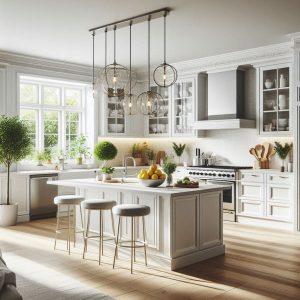 Your cooking habits dictate your kitchen layout. Do you bake or cook daily? A spacious countertop becomes essential for meal prep. Maybe you’re a gourmet chef at heart. Then, high-end appliances and a stove with extra burners might be key.
Think about the meals you prepare. Quick family dinners may need a functional layout with easy access to the fridge and stove. On the other hand, elaborate dishes could benefit from an island for additional workspace.
Family Size
The number of people in your household influences your kitchen’s design. Larger families often require more storage and a bigger fridge.
A dining area within the kitchen suits families who enjoy meals together. It fosters communication and bonding during food prep and dining. Smaller households might opt for a compact design, focusing on efficiency.
Entertaining Needs
Do you love hosting gatherings? Consider an open layout that blends the kitchen with living areas. This setup encourages interaction between guests and the host during meal preparation.
An island or bar counter can serve as a spot for guests to mingle or assist with cooking. Adequate seating is crucial for comfort during social events.
Lifestyle Factors
Kids and pets necessitate safety and durability in materials. Non-slip floors and child-proof cabinets are wise choices.
Accessibility needs may require lower countertops or pull-out shelves. These features ensure everyone can use the kitchen comfortably, regardless of mobility challenges.
Basic Kitchen Layout Types
L-Shaped
L-shaped kitchens offer a smart design for small and medium spaces. They fit snugly in a corner, providing ample counter space. This layout encourages a natural work triangle between the fridge, stove, and sink.
However, they might not suit those who prefer separate areas for cooking and dining.
U-Shaped
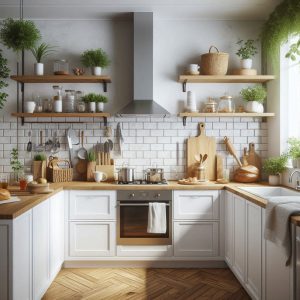 U-shaped layouts surround the cook on three sides with everything within easy reach. They’re great for homes with multiple cooks.
The downside? They require a larger area, potentially making the kitchen feel cramped if not well-planned.
Galley
Galleys are efficient for narrow spaces, featuring two parallel counters. This setup minimizes movement, making it ideal for solo cooking.
The con is its closed-off feel, which limits interaction with guests or family during meal prep.
Island
Islands add versatility, offering extra prep space and storage. They can also serve as an informal dining area or a place for kids to do homework.
The catch is they need a considerable amount of room to avoid a crowded kitchen.
Open-Plan
Open-plan kitchens blend with living areas, encouraging social interaction. They lighten up spaces and make them appear larger.
Their drawback lies in the potential mess visible from living areas and noise travel.
The Work Triangle Concept
Work Triangle Basics
 Understanding the work triangle is key to creating a kitchen layout that works for you. This concept involves three main areas: the sink, stove, and refrigerator.
They form a triangle to help you move quickly and efficiently. It’s about making sure these elements are neither too close nor too far apart.
Efficiency Goals
The goal is to minimize steps while maximizing efficiency in the kitchen.
By arranging the sink, stove, and refrigerator with optimal spacing, you reduce wasted time and energy. This setup helps in preparing meals faster and more comfortably.
Practical Application
Applying this concept depends on your kitchen’s size and shape.
For instance, in a galley kitchen, the triangle might be more elongated. In an L-shaped layout, it could be more compact. The idea is to adapt the principles to fit your space.
Remember, the work triangle should not cut through an island or peninsula by more than 12 inches. This keeps the kitchen open and accessible.
Space Planning and Zoning
Effective Utilization
After understanding the Work Triangle Concept, it’s crucial to apply its principles to effectively use every inch of your kitchen. Start by assessing your space. Identify areas that often go unused and think creatively about how they can serve your needs. For instance, corners can host lazy Susans or pull-out drawers for spices and condiments.
It’s also wise to consider vertical space. Installing shelves up high can store items you use less frequently, freeing up lower areas for everyday essentials. This approach maximizes storage while keeping the kitchen organized.
Task Zones
Creating distinct zones for various kitchen tasks streamlines cooking and cleaning processes. Let’s break it down:
-
Prep Area: This should be near storage units (fridge, pantry) for easy access to ingredients. A spacious countertop works best for chopping and mixing.
-
Cooking Zone: Ideally located next to the prep area, this zone includes the stove and oven. Ensure pots, pans, and cooking utensils are within arm’s reach for efficiency.
-
Cleaning Area: Place this zone near the cooking area but with enough space to avoid congestion. It typically includes the sink and dishwasher. Keeping cleaning supplies nearby simplifies tidying up after meals.
-
Storage: Design this zone with both accessibility and organization in mind. Use drawers for utensils and cabinets for dishes and cookware close to their respective zones.
Maximizing Storage Solutions
Cabinet Optimization
Optimizing cabinet space is key. Think about adjustable shelves. They let you change the height based on what you need to store. This flexibility can make a big difference.
Another smart move is installing pull-out shelves. They make it easy to reach items at the back. You won’t have to empty half the shelf just to get a pot or pan.
Pantry Organization
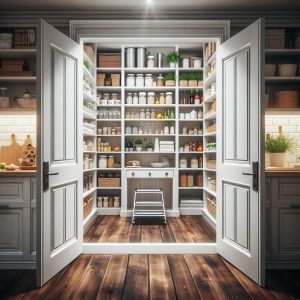 For your pantry, consider using clear bins and baskets. They help you see what you have at a glance. This can reduce waste and save money.
Lazy Susans are great for corners. They turn wasted space into useful storage. Plus, they keep everything within easy reach.
Vertical Space
Don’t forget about vertical space. It’s often overlooked but very valuable. Install hooks under cabinets for mugs or utensils.
Wall-mounted racks for pots and pans can also free up cabinet space. This makes your kitchen look more organized and spacious.
Innovative Options
Explore innovative storage solutions like magnetic knife strips or in-drawer spice organizers. These options can maximize efficiency in your kitchen.
Pull-out cabinets for trash and recycling bins hide them away but keep them accessible. This keeps your kitchen tidy and functional.
Incorporating Style and Aesthetics
Functionality Meets Design
After optimizing kitchen storage, it’s crucial to blend functionality with design. This ensures your kitchen is not only practical but also visually appealing.
Choose a layout that allows easy movement between the sink, refrigerator, and stove. This “work triangle” concept keeps your kitchen both functional and stylish. Ensure there’s enough space for opening cabinet doors without obstruction.
Incorporating open shelving can offer quick access to everyday items while adding a personal touch to your kitchen’s appearance.
Personal Style Reflection
Your kitchen should reflect your personality. Select materials, colors, and finishes that speak to you.
For countertops, consider durability and maintenance alongside beauty. Granite and quartz are popular for their resilience and wide range of colors. Cabinet finishes can vary from natural wood to painted surfaces, depending on whether you prefer a classic or modern look.
When choosing colors, think about the mood you want to create. Light colors can make a small kitchen feel larger, while bold hues add character and depth.
Cohesive Aesthetics
Ensure all elements in your kitchen harmonize. This doesn’t mean everything must match perfectly, but there should be a cohesive theme.
Integrate your chosen style throughout the space with consistent hardware finishes, light fixture styles, and color schemes. This unity will enhance the overall aesthetics of your kitchen, making it a more enjoyable place to cook and gather.
Considering Appliances and Fixtures
Selecting Right
Choosing the perfect appliances is crucial. They should meet your cooking needs and fit your lifestyle. Think about how often you cook, what types of meals you prepare, and how many people you typically serve. This will guide you in selecting the size and type of appliances that best suit your kitchen.
For a family that loves to cook together, a double oven might be a great choice. Busy individuals might prefer appliances that speed up cooking times, like convection ovens or pressure cookers.
Integrating Seamlessly
Once you’ve picked your appliances, integrating them into your kitchen’s design is the next step. This ensures they complement your space without disrupting the flow or aesthetics.
Consider built-in appliances for a sleek look. They can make your kitchen appear more spacious and organized. Panel-ready appliances, which allow for custom covers matching your cabinetry, are another way to achieve a seamless integration.
Placement is key. Ensure there’s enough space around each appliance for easy use and movement. For example, leaving enough countertop space beside the fridge makes it easier to put away groceries.
Lighting and Ventilation
Task Lighting
Task lighting is crucial in a kitchen. It helps you see clearly when chopping, cooking, or cleaning. Bright lights over the stove, sink, and countertops make these activities safer and easier.
LED strips or under-cabinet lights are popular choices. They provide bright, focused light without taking up space. This type of lighting complements the main fixtures, ensuring no shadowy areas interfere with your tasks.
Ambient Lighting
Ambient lighting adds warmth and character to your kitchen. It creates a welcoming atmosphere where family and friends can gather comfortably.
Ceiling-mounted fixtures or recessed lights are common sources. They offer a gentle glow that fills the room without overwhelming it. Pendant lights above the island or dining area also contribute to the ambiance, doubling as decorative elements.
Adequate Ventilation
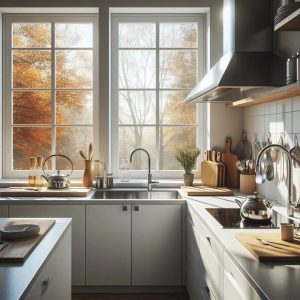 Keeping your kitchen fresh is just as important as lighting it well. Proper ventilation removes cooking odors, smoke, and excess heat, making the space more comfortable.
A range hood is a key component. It should be powerful enough to filter out fumes but quiet enough not to disrupt conversation. Ensure it vents outside to effectively eliminate pollutants.
Windows also play a role in ventilation. Opening them lets in fresh air and natural light, enhancing both comfort and energy efficiency.
Accessibility and Ergonomics
Easy Access
Creating a kitchen layout that works for everyone means focusing on easy access. This includes placing frequently used items within reach. Think about the height of counters and appliances. They should cater to all household members, including those with limited mobility.
For families, consider a section of the countertop that’s lower. This allows younger members to help with meal prep safely. Also, ensure clear paths. At least 42 inches wide is ideal for wheelchair access.
Comfort Design
Comfort in the kitchen is not just about soft cushions. It’s about reducing strain during cooking and cleaning. Adjustable-height counters can be a game-changer. They allow users to work comfortably, whether standing or seated.
Choose hardware that’s easy to grip and control knobs that are simple to use. These small changes can make a big difference in creating a user-friendly kitchen.
Tips for All Ages
-
Make sure that shelves and storage are reachable without needing to climb.
-
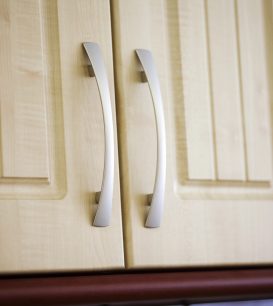
Opt for lever-style door handles which are easier for everyone to use.
-
Install pull-out cabinets and drawers for better access to items at the back.
Making your kitchen accessible and ergonomic doesn’t just add convenience; it enhances safety and enjoyment for all ages and abilities. By considering these aspects, you’re not only designing a space that looks good but also one that feels good to use every day.
Personalizing Your Kitchen
Artwork Displays
Art brings life into any space, and your kitchen is no exception. Choose pieces that speak to you, whether they’re vibrant paintings or subtle sketches. Hang them where they can be enjoyed, like above the dining area or on a blank wall near the stove.
This personal touch transforms the kitchen from merely functional to emotionally engaging.
Plant Life
Incorporating greenery adds a fresh vibe and improves air quality. Consider easy-to-care-for plants like herbs, which can thrive on a windowsill and serve dual purposes—decoration and cooking ingredients.
Succulents are another great choice for adding life without requiring constant attention.
Unique Decor
Personalizing your kitchen extends beyond artwork and plants. Think about unique decor items that reflect your style or heritage. It could be vintage cookware displayed on open shelves or a family heirloom piece prominently placed.
These elements make the kitchen feel truly yours, weaving in stories and memories into the daily fabric of your home life.
Functional Accents
Remember, personalization doesn’t have to sacrifice functionality. Magnetic knife strips, stylish container sets for dry goods, and decorative hooks for hanging utensils can all add character while keeping essentials within reach.
This blend of form and function ensures your kitchen is not only beautiful but practical.
Dreaming of a Kitchen That Truly Reflects You?
Creating your dream kitchen is all about making space work for you. You’ve explored everything from assessing needs, picking a layout, to personal touches that make the kitchen yours. It’s not just about style or function alone; it’s about how they blend together in your daily life. Think of your kitchen as the heart of your home, where meals turn into memories and every square inch reflects your journey.
Now’s the time to take these insights and turn them into action. Sketch out your plans, play with ideas, and remember, the perfect kitchen isn’t built overnight. It’s a labor of love, patience, and personal expression.
TurnKey Kitchen Renovations is here to assist you in designing and creating a kitchen that you can be proud of. Our dedicated team of experts specializes in designing and constructing kitchens that seamlessly blend style, functionality, and personalized touches to create the ideal heart of your home.
Ready to get started? Contact us today for a free consultation.
Stay updated with our latest blogs for more kitchen remodeling tips and ideas.
Frequently Asked Questions
How do I start planning my kitchen layout?
Begin by assessing your needs and preferences. Understand your cooking style, storage requirements, and how you envision using your kitchen space. This self-awareness is the first step to creating a kitchen that truly feels like yours.
What are the basic kitchen layout types?
There are several basic layouts including the one-wall, galley, L-shaped, U-shaped, and island layouts. Each has its strengths, catering to different spaces and needs. Choose one that best fits your space and lifestyle.
Can you explain the Work Triangle concept?
The Work Triangle concept involves positioning your stove, sink, and refrigerator at three points to form a triangle. This setup aims to maximize efficiency by minimizing movement between these key work areas. Embrace it for a kitchen that supports rather than hinders your culinary adventures.
How important is lighting and ventilation in a kitchen?
Exceptionally important! Good lighting enhances the mood and functionality of your kitchen, while proper ventilation ensures a comfortable environment free from odors and excessive heat. Together, they create a space where you’ll love to spend time.
What should I consider when choosing appliances and fixtures?
Consider both function and style. Your appliances and fixtures should meet your cooking needs while complementing the overall design of your kitchen. Remember, every choice is a step towards making your kitchen uniquely yours.
How can I maximize storage in my kitchen?
Look into various storage solutions like cabinets, drawers, pull-out pantries, and hanging racks. Maximizing storage means everything has its place, making your kitchen a model of efficiency and calm.
Why is personalizing my kitchen important?
Personalizing your kitchen transforms it from just a functional space into a reflection of your personality and style. It’s about creating a joyful heart in your home where memories are made and shared. Let it be a source of daily inspiration and comfort.