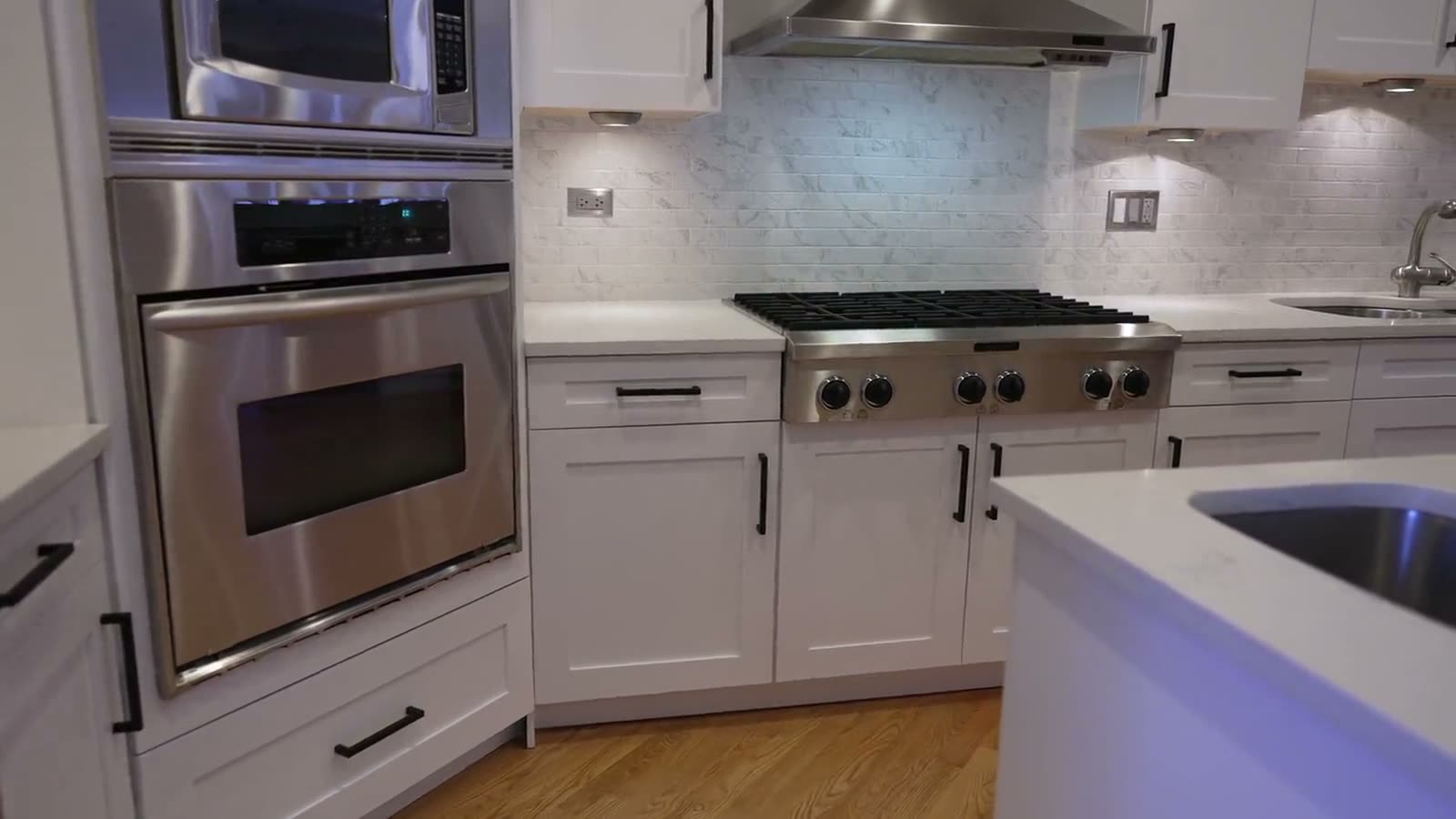



Your own policy decides whether water damage to kitchen cabinets is covered by your insurance, along with the cause of the water and how your insurer applies the terms, so no general answer applies. In New Orleans, flood water raises a separate question, because the Louisiana Department of Insurance notes a standard homeowners policy does not cover flood damage. Read your policy and ask your insurer or agent directly.
At TurnKey Kitchen Renovations, our part in a water damage situation is the repair end. By then the claim has already gone well or badly, and the difference often traces back to the first 48 hours.
What follows explains what decides whether cabinet damage is covered and how a claim generally runs. It is not advice about your policy.
Only your policy documents and your own adjuster can tell you what applies to your situation. Contact us today to talk about the repair side once you know where your claim stands.
What Decides Cabinet Water Damage Coverage
Whether cabinet damage is covered depends on your policy, and no contractor or article can answer that for you. Coverage for cabinet damage turns on the policy’s terms and exclusions, the cause of the water, and how your insurer applies them. Read the policy’s coverage and exclusions sections, then ask your insurer or agent to confirm in writing.
A claim is a request to an insurer to consider a loss under the terms of a policy you already hold. Those terms were fixed when the policy was written, and two households on the same street can hold entirely different ones.
Nothing in this article changes those terms or predicts an outcome. What it can usefully do is describe the steps, because they are broadly similar from one insurer to the next.
The Sequence, in Order
The order matters more than the speed, with one exception: stopping the water comes first and immediately.
Stop the Water and Make It Safe
Shut off the supply at the fixture or at the main, and deal with any electrical risk before entering standing water. Few rooms put water and electricity as close together as a kitchen does.
Policies commonly place an obligation on the policyholder to take reasonable steps to prevent further damage once a loss is discovered. Check your own policy for how it words that, because it is usually one of the first things an adjuster asks about.
Reasonable steps generally mean stopping the source and drying out, not beginning repairs. There is a difference, and it matters to the next step.
Document Before Anything Is Cleaned Up
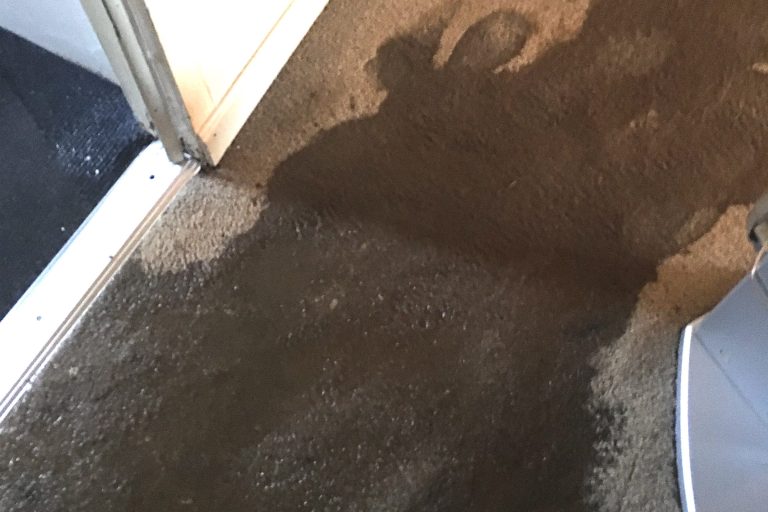 Photograph and video everything before removing a single item. Take wide shots that show the room, then the cabinets, the floor, the ceiling below if there is one, and the source itself.
Photograph the inside of cabinets, the toe kicks, and under the sink, because that is where damage collects and where it is least visible later. Include something for scale where a water line on a cabinet matters.
Keep damaged items rather than discarding them until you are told otherwise. A bag of ruined contents is easier to discuss than a description of them.
Notify the Insurer Promptly
Report the loss through whatever channel the policy specifies, and note the date, the time, and the claim number you are given. Keep that reference with your photographs.
Ask at that point what the insurer needs from you and by when, and write the answer down. Different insurers ask for different things, and assuming is how a deadline gets missed.
Prompt reporting is generally in the policyholder’s interest regardless of the specific requirements. Delay is the one thing you fully control.
Meet the Adjuster and Agree on the Scope
An adjuster inspects the damage and produces a scope of loss, which is the itemized description of what was damaged and what the insurer considers necessary to put it right. The settlement is generally built from that scope.
Be present for the inspection if you can, with your photographs on hand. Damage that was cleaned up before the visit is much harder to establish afterward.
You can ask to read the scope and raise anything that looks missing. That is a normal part of the process rather than a dispute.
What Slows a Kitchen Claim Down
| Common Snag | Why It Happens | What Helps |
|---|---|---|
| Damage cleaned up before documenting | The instinct to tidy is immediate | Photograph first, always, before touching anything |
| Hidden damage found later | Water travels behind cabinets and under floors | Raise it as soon as it is found, in writing |
| No record of what was there | Finishes and appliances are hard to recall | Old photographs, receipts, and manuals |
| Repairs started too early | Pressure to get the kitchen usable | Confirm with the adjuster what may proceed |
| Communication by phone only | It is faster in the moment | Follow up in writing and keep the thread |
Hidden Damage Is the Norm in a Kitchen
Water runs along the underside of a cabinet base and into the toe kick, where nothing is visible from the room. It also travels under flooring and into the wall behind the sink run.
That means the damage found on day one is usually less than the damage found on day ten. Raising the difference in writing as soon as it appears is the normal way to handle it.
Moisture readings taken by whoever does the drying are useful documentation for exactly this reason. Ask for them and keep them.
Flood and Water Damage Are Different Things
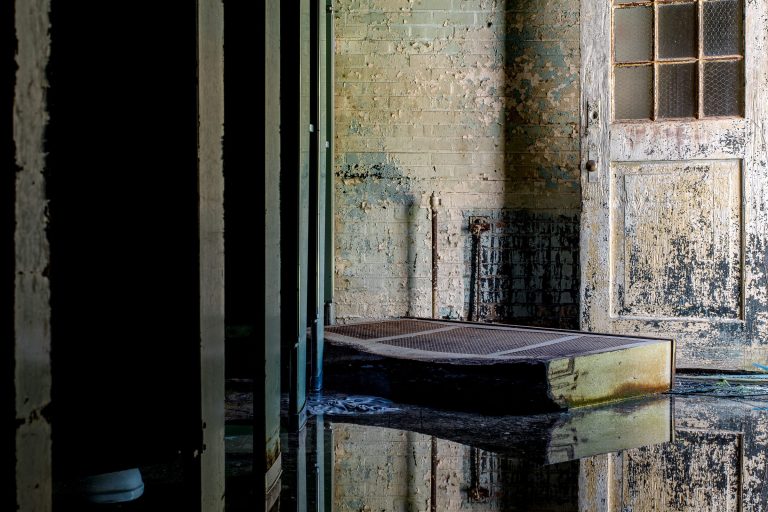 In and around New Orleans, the distinction between a flood loss and other water damage matters, because they are commonly handled under different policies entirely. Which one applies to a specific event is decided by the policies in force and by the insurer, not by how the damage looks.
That is a question to put to your insurer and your agent early, since it decides who you are even dealing with. Assuming one or the other can cost time at the start.
We take no position on it. It is genuinely a policy question, and it belongs with the people who hold your policy.
Keep One Record of Everything
Start a single folder, physical or digital, on day one for photographs, the claim number, every letter, every estimate, every set of moisture readings, and a dated note of every phone call.
Written follow-up after a phone conversation is worth the two minutes it takes. A short message confirming what was agreed creates a record that neither side has to remember.
That folder is also what a contractor needs when quoting. A kitchen cabinets quote is far easier to check against the agreed scope when it exists.
Where the Repair Work Fits
Repair begins once the source is fixed, the structure is dry, and the scope is settled. Doing it in any other order can create work that has to be redone.
Drying comes first and takes longer than people expect in the New Orleans climate, because the ambient humidity works against it. Cabinets and flooring installed over a substrate that is still damp are likely to fail, claim or no claim.
Ask the adjuster to confirm what may proceed and when, because starting permanent repairs before that point can complicate the process. Insurers commonly treat emergency mitigation and permanent repair differently.
Then the kitchen is rebuilt to the agreed scope, whether that means cabinets, flooring, or a countertop remodel. Where you want something different from what was there, that is a kitchen design conversation to have openly rather than one to fold into the claim.
Know the Sequence Before You Need It
Most of what goes wrong in a kitchen water damage claim traces back to the first two days, and most of that is documentation that was never taken. The rest of the process is administrative.
At TurnKey Kitchen Renovations, we handle the rebuild once the drying is done and the scope is agreed. Call us today to discuss rebuilding a water-damaged kitchen.
Frequently Asked Questions
What should I do first after a kitchen water leak?
Stop the water at the fixture or the main and deal with any electrical risk before entering standing water. Then photograph and video everything before removing a single item. Policies commonly require reasonable steps to prevent further damage, so check how yours words that.
Should I clean up before the adjuster visits?
Document the damage thoroughly first, before any cleanup. Drying out and stopping further damage is generally expected, but damage cleared away before it was photographed is much harder to establish later. Keep damaged items rather than discarding them until you are told otherwise.
Should I make an insurance claim for water damage?
That decision is yours, and it depends on your policy, your deductible, and the extent of the damage, so there is no general answer. Your insurer or agent can explain how a claim would work under your policy. Check what your policy says about reporting a loss, and ask early rather than waiting.
What is a scope of loss?
A scope of loss is the adjuster’s itemized description of what was damaged and what the insurer considers necessary to put it right. The settlement is generally built from it, which is why it is worth reading carefully and raising anything that appears to be missing.
How long does a water damage claim take?
It varies with the insurer, the complexity, and how much hidden damage emerges. What you control is the speed of reporting and the quality of your documentation. Keeping one folder with every photograph, letter, and dated call note is what keeps it moving.
What type of water damage is not covered by insurance?
That is set by each policy’s exclusions section, so the only reliable list is the one in your own policy. The Louisiana Department of Insurance advises that a standard homeowners or renters policy does not cover flood damage, which can be insured separately through the National Flood Insurance Program or private insurers. Ask your insurer about anything else.
Can I start repairs before the claim is settled?
Confirm with your adjuster what may proceed and when. Emergency steps to stop further damage are treated differently from permanent repair, and starting the permanent work early can complicate the process. Getting that confirmation in writing is worth the delay.
Why does damage keep turning up after the first inspection?
Water travels where it cannot be seen, along cabinet bases, into toe kicks, under flooring, and into the wall behind the sink run. Additional damage found later is common. Raise it in writing as soon as it appears rather than at the end.