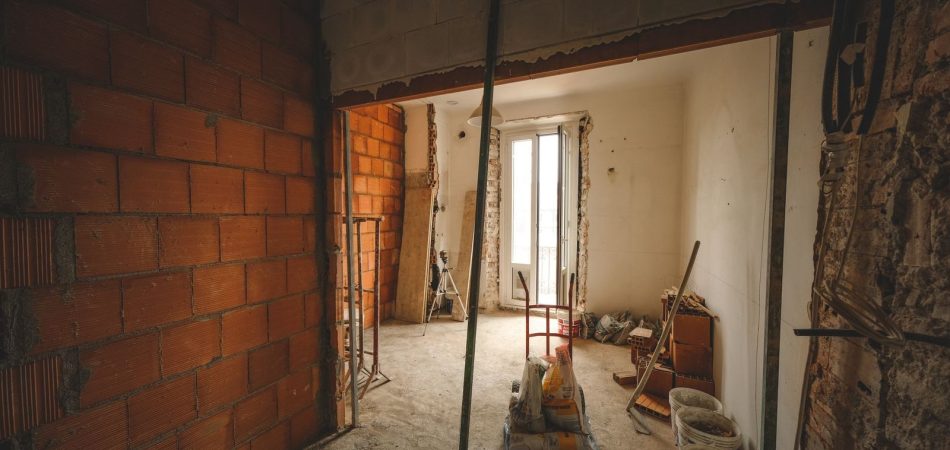

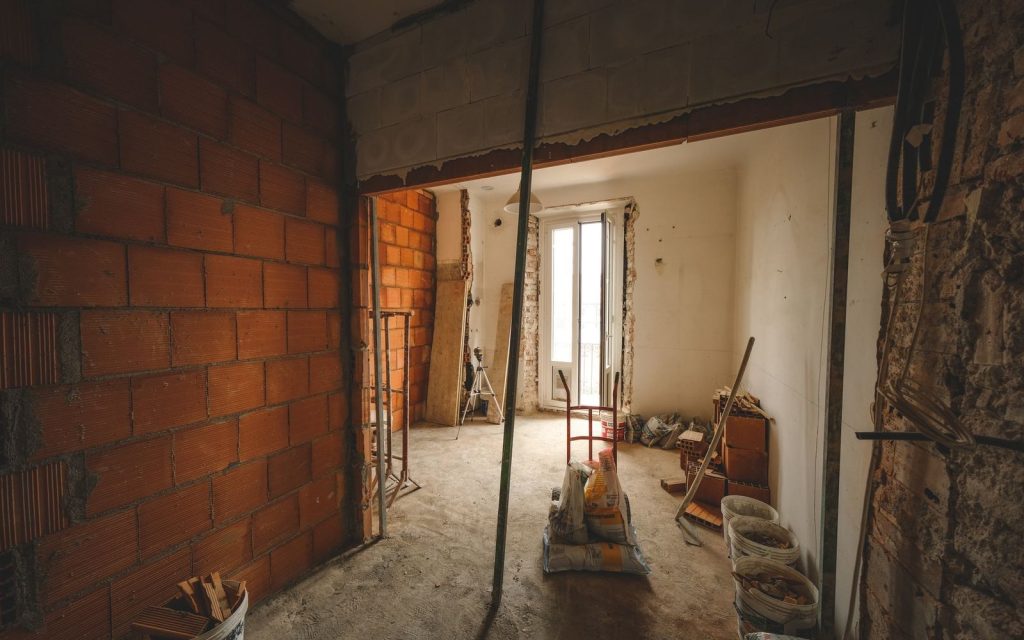
Work in the affected area should pause until the discovery is documented and assessed. A New Orleans kitchen remodel can uncover rot, old wiring, or water damage behind a wall, because cabinets and finished surfaces cover every service run in the room until demolition day. Anything involving wiring, plumbing, or suspected mold goes to a licensed trade rather than the crew already on site.
Demolition day is when a kitchen stops being a drawing and starts being a building. What comes out of the wall that morning decides whether the rest of the job goes to plan.
Most remodels run clean, but the exceptions usually reveal themselves in the first few hours. At TurnKey Kitchen Renovations, we treat an unexpected find as a reason to stop and reassess rather than a reason to work around it.
Here is what tends to turn up, how to tell a nuisance from a stop-work condition, and what should happen next. Contact us today to have a discovery in your kitchen looked at before work continues.
What Kinds of Hidden Problems Turn Up in a Kitchen Remodel?
The list is shorter than you might fear, and it repeats. Kitchens hide the same handful of conditions because kitchens all carry the same services behind the same finishes.
Water is one of them. It arrives slowly from a supply line, a drain, an appliance connection, or a window, and it does its work on framing and subfloor long before anything shows on the surface.
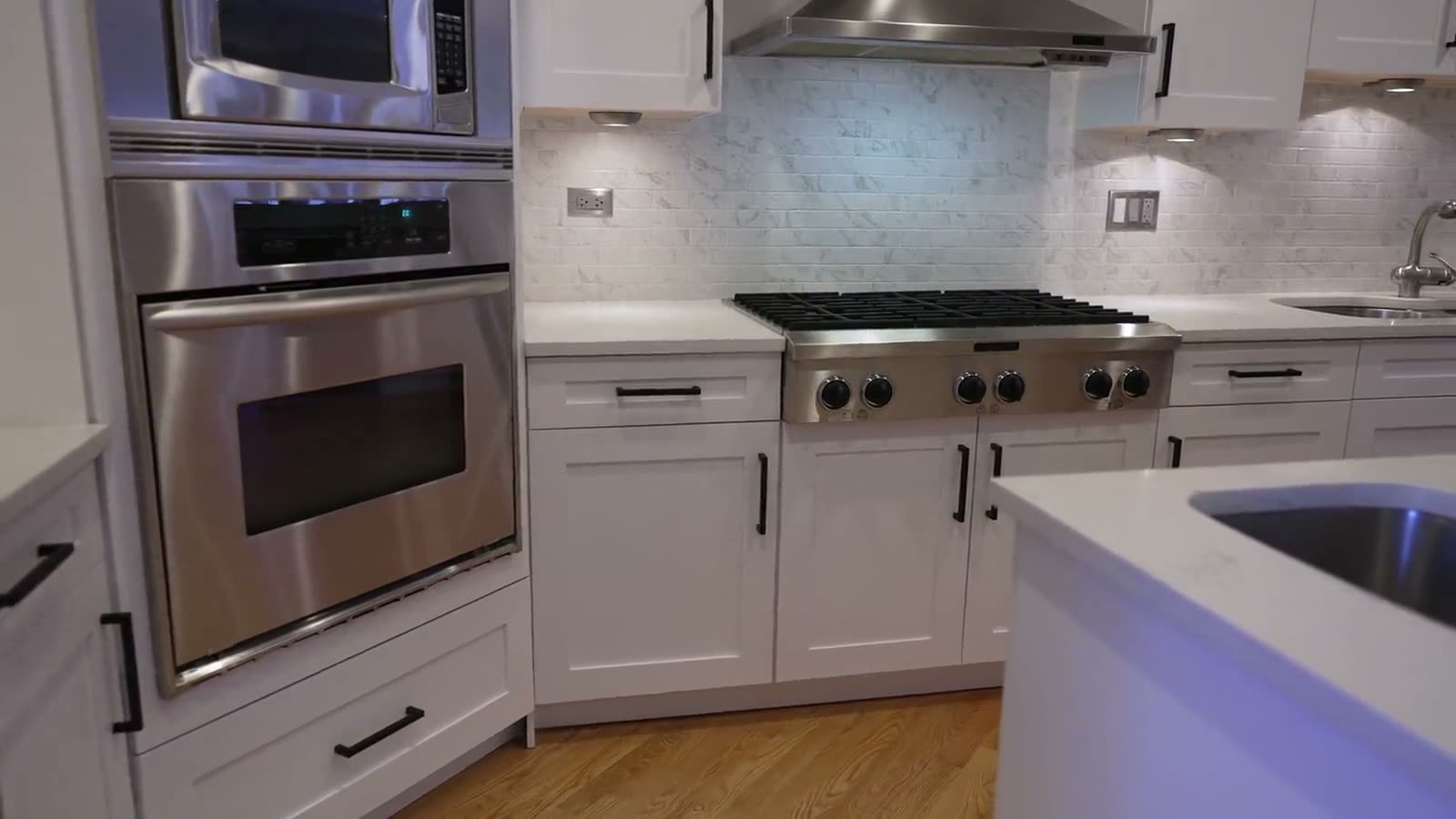
The others are wiring that predates the current use of the room, framing damage where water got there first, and plumbing that cannot legally or practically stay where it is. All four often become visible at once during kitchen cabinet renovation, because the cabinets are what was covering them.
Why Do These Problems Stay Hidden Until Demolition?
Because nothing in a kitchen is designed to be inspected. Cabinets sit tight to the wall, appliances fill their openings, and finished surfaces cover every service run in the room.
A pre-construction walkthrough can only assess what is reachable. An estimator can look under a sink, read a panel, and check for movement in a floor, but no one opens a wall to price a job.
That is the honest limit of any estimate, and a good contractor says so up front. The plan you approve is built on what was visible when it was written, which is why the plan gets revisited when something new appears.
When Does a Discovery Have to Stop the Job?
Not everything found behind a cabinet is an emergency, and treating every surprise as one is its own problem. The table below separates what can be logged and carried on from what should stop work in that area.
| What Gets Uncovered | What Should Happen Next |
|---|---|
| Dated finishes, mismatched trim, or patched drywall | Log it with a photograph and continue. Cosmetic history is not a defect. |
| A stain or discoloration on framing or subfloor | Stop in that area and trace the source before anything is closed back up. |
| Soft, crumbling, or spongy wood at a joist, stud, or subfloor | Stop work there and have the extent assessed before any load-bearing element is disturbed. |
| Wiring you do not recognize, or splices outside a box | Stop and bring in a licensed electrician. Do not test, pull, or reconnect anything. |
| Active moisture, standing water, or a dripping connection | Stop and have a licensed plumber isolate and identify the source. |
| Growth on framing, sheathing, or the back of a cabinet | Stop, leave it undisturbed, and have it assessed by a qualified professional. |
How Does a Contractor Handle Each Kind of Discovery?
Each type has its own sequence, and none of them start with repair. The first step is always establishing what you are actually looking at.
Water Damage and Wood Rot

The source gets found before the damage gets measured, because repairing wet framing without stopping the water simply buys time. Once the source is isolated, the affected material is traced back to sound wood before any repair is specified.
Only then does anyone talk about what to replace. Framing that carries load is assessed separately, and anything touching structure goes to a licensed professional rather than being judged on site.
Wiring That Predates the Kitchen
Kitchens accumulate electrical demand over decades, and older circuits were not laid out for how the room is used now. What matters is not the age of the wiring but its condition and whether it suits the load the new kitchen will place on it.
That assessment belongs to a licensed electrician, full stop. Nothing gets tested, traced, or reconnected by a remodeling crew, and no wiring question is settled by looking at it.
Plumbing That Cannot Stay
Sometimes a drain, a vent, or a supply run sits exactly where the new layout needs something else. Other times the existing pipework is in a condition that makes reusing it a poor decision regardless of the layout.
A licensed plumber establishes which of those you have. This conflict comes up more often in small kitchen remodeling, because a tighter room leaves fewer places for a service to move to.
Suspected Mold or Ongoing Damp
The rule here is to leave it alone. Disturbing suspected growth can make the situation considerably harder to deal with.
The area gets isolated, work stops there, and a qualified professional assesses it. Nobody on a remodeling crew should be identifying, treating, or clearing it.
How Much Does a Discovery Add to the Schedule?
Honestly, it depends on what was found, and anyone who answers with a number before seeing it is guessing. What is predictable is the sequence, and the sequence is what actually drives the delay.
Four things determine how long the pause runs:
- How quickly the source is identified, since nothing downstream can be planned until that is settled.
- Whether a licensed trade has to be brought in, which adds a scheduling step outside the remodeling crew’s control.
- How far the affected area extends, because the answer is rarely visible from the first opening.
- Whether the design has to change, which is where a kitchen design service revisits the plan rather than forcing the original one.
The pause is also the part of the process most worth doing properly. Work that continues over an unresolved discovery has to be undone before it can be redone.
Get Your New Orleans Kitchen Reassessed Before Work Restarts
Finding something unexpected does not mean the original plan was poorly made, only that the house held something nobody could see. What matters is that the find is documented, assessed by the right trade, and written into a revised scope before anyone picks a tool back up.
At TurnKey Kitchen Renovations, we stop, document, and reassess rather than building over a problem. Call us today to have a mid-job discovery assessed anywhere in the New Orleans area.
Frequently Asked Questions
What happens if a contractor finds something unexpected during a remodel?
Work in that area should stop while the find is documented with photographs, the source is identified, and the extent is assessed. The scope is then revised in writing before work resumes. A discovery that is built over rather than resolved usually has to be reopened later.
Who pays when a hidden problem is found mid-remodel?
That depends entirely on what your agreement says about unforeseen conditions, which is why the discovery is documented before anything else happens. Most remodeling agreements handle it through a written change order that sets out the finding, the proposed work, and the revised scope, agreed before work restarts.
Can a kitchen remodel continue while the problem is dealt with?
Often yes, in areas the discovery does not touch. Work in the affected zone stops until the source is identified and the scope is revised, while unrelated work elsewhere in the room can usually carry on. The decision is made per area rather than for the whole job.
What is a change order in a kitchen remodel?
A change order is a written record of work that was not in the original scope, covering what was found, what is proposed, and how the scope changes. It is signed before the new work begins. It exists so that both sides have the same understanding of what changed and why.
Does old wiring have to be replaced during a kitchen renovation?
That is a question for a licensed electrician, not for a remodeling crew or a homeowner. What governs the answer is the condition of the existing wiring and whether it suits the electrical load the finished kitchen will place on it. Age alone does not decide it.
What should you do about water damage found behind kitchen cabinets?
Stop work in that area and find the source before anything else. Repairing wet framing without isolating the water simply resets the clock, and the affected material usually extends beyond what the first opening reveals. A licensed plumber identifies an active source.
Does finding a hidden problem void a remodeling contract?
In ordinary practice, a discovery is handled as a change to the scope rather than as the end of the job. Most remodeling agreements anticipate unforeseen conditions and document them that way. What your specific agreement provides for is a question for the agreement itself and, where the stakes justify it, for your own legal adviser.
How can you reduce the chance of surprises before demolition?
Share everything you know about the property’s history, previous leaks, and past work, because that context is not visible to an estimator. Ask what the estimate assumes about what is behind the walls, and agree in advance how a discovery will be documented and priced.